SKU: P/N: 73-013-080-0
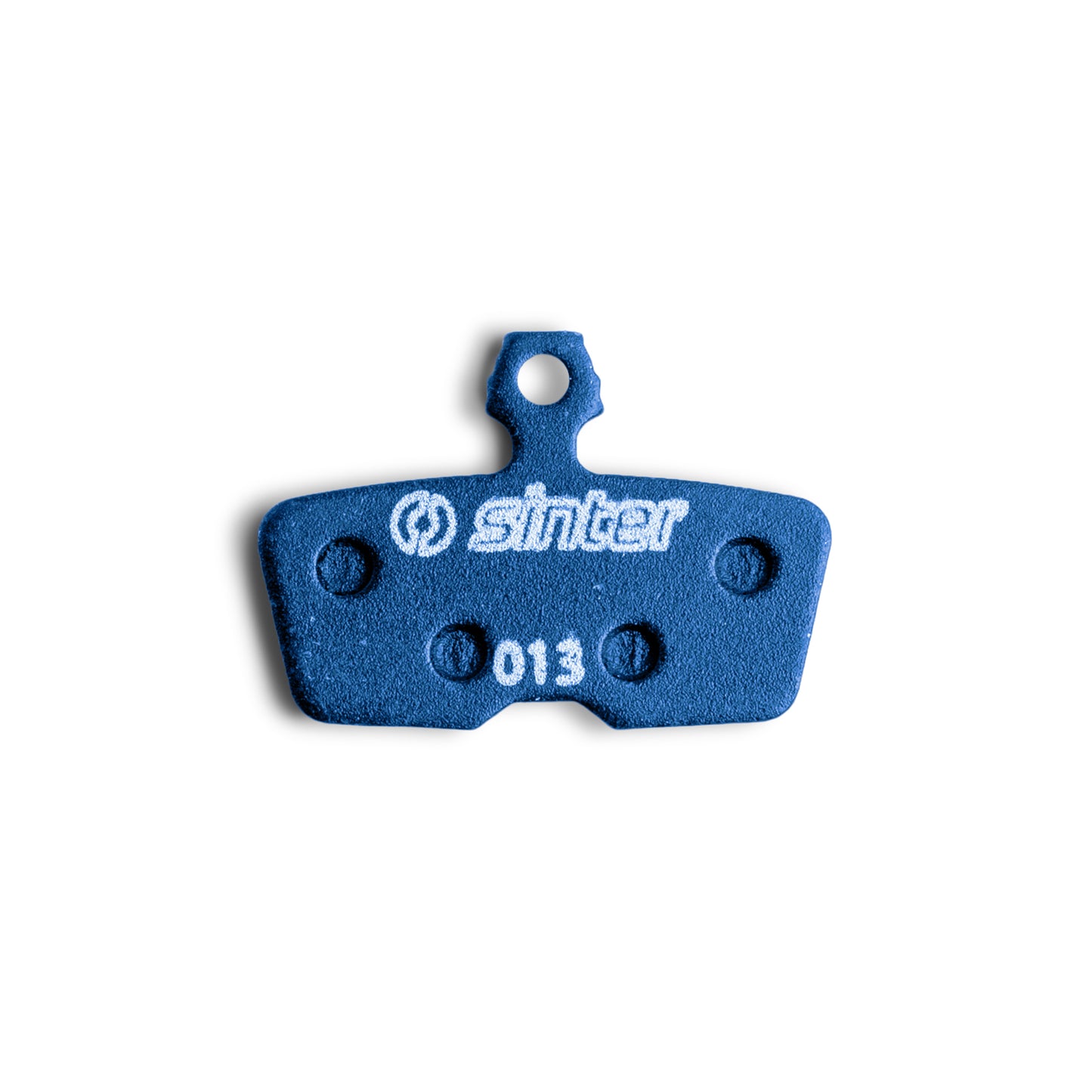
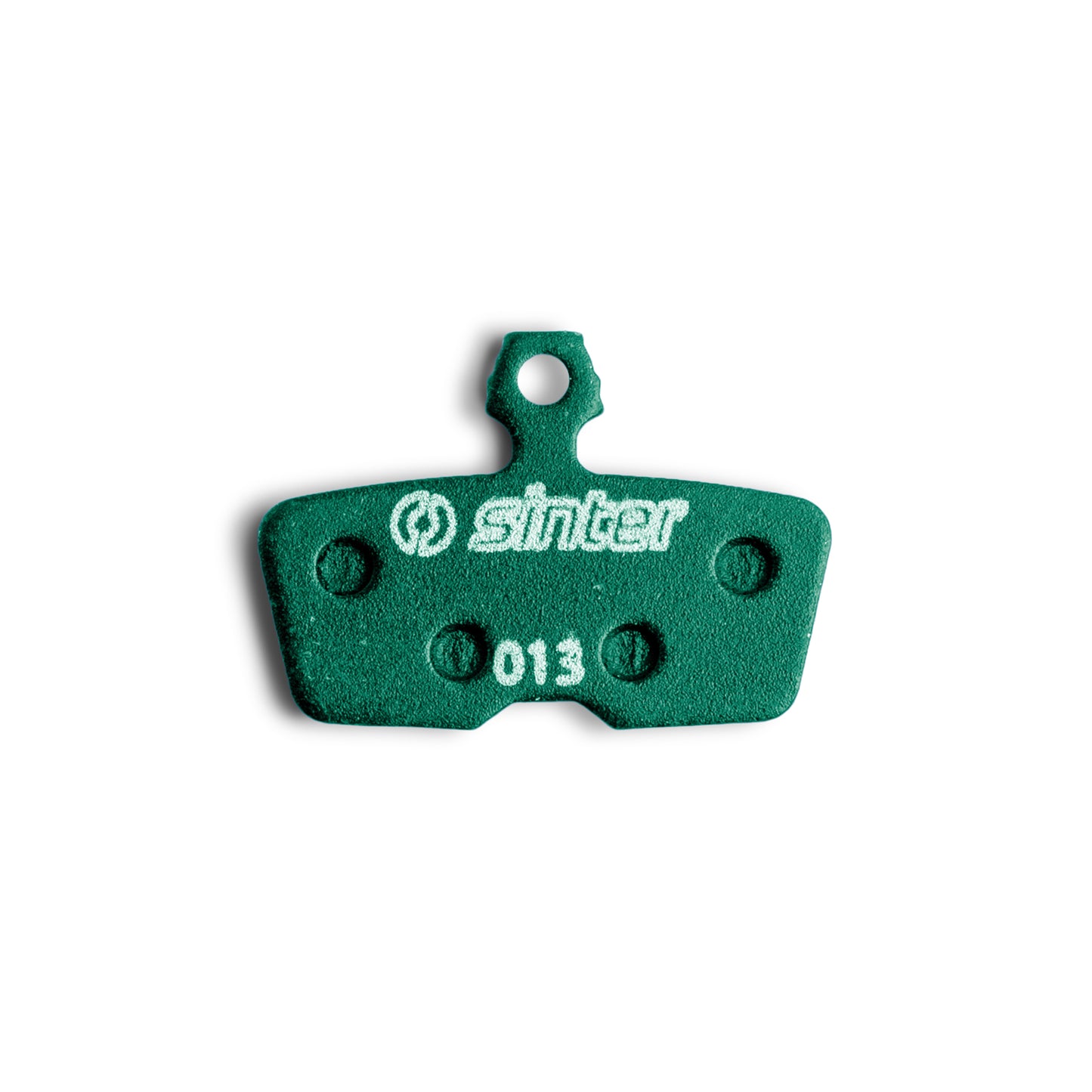
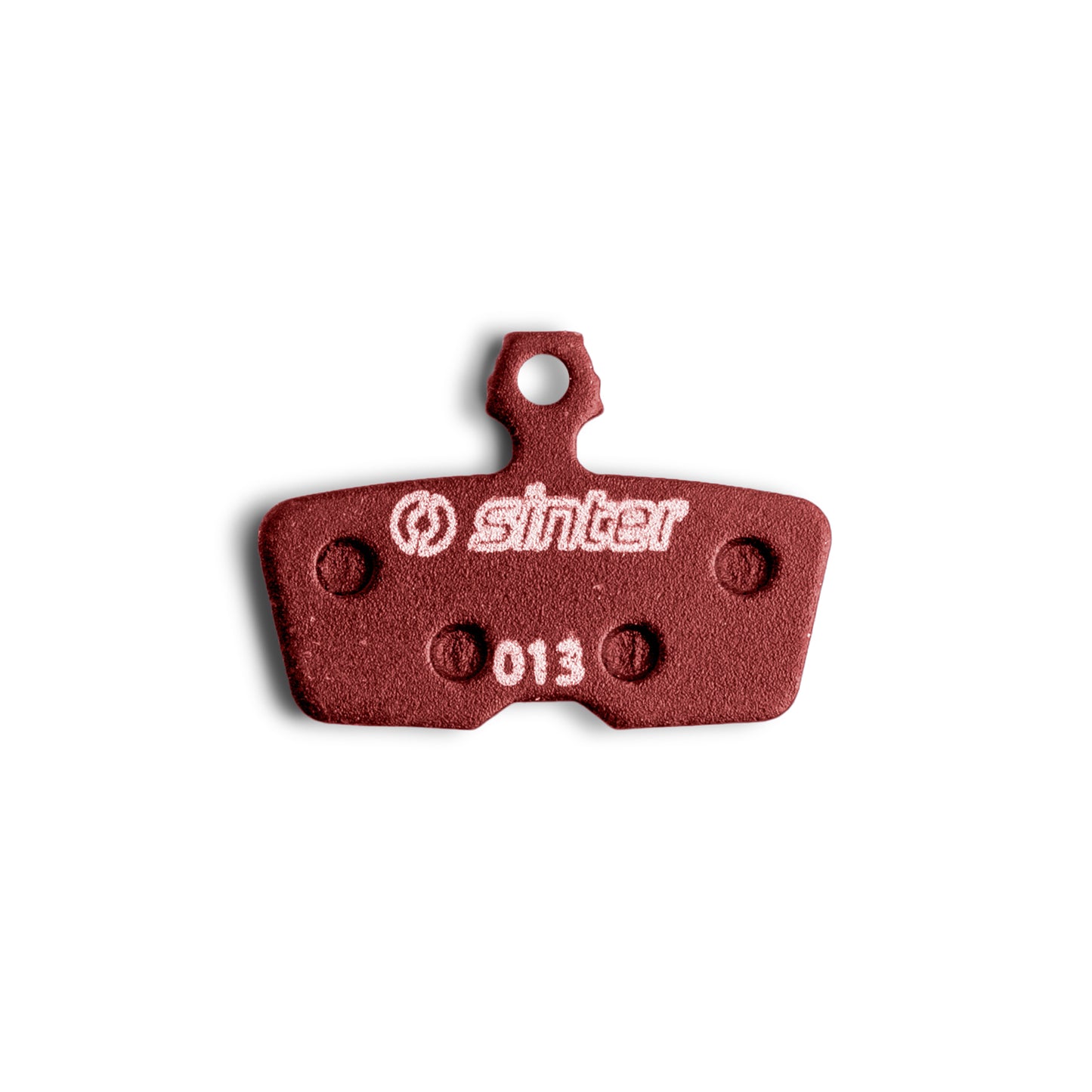
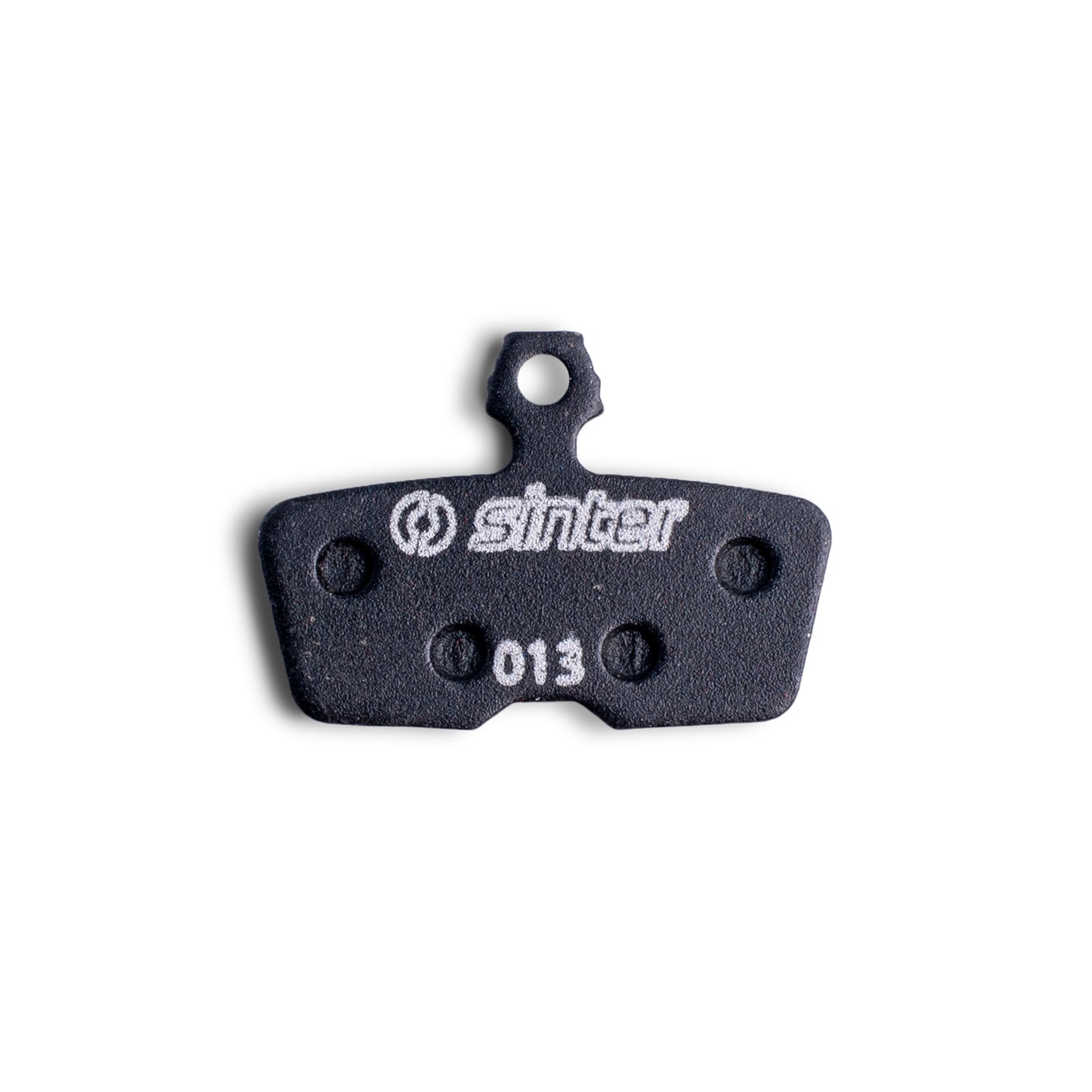
Sinter Model 013 Avid, SRAM
Sinter Model 013 Avid, SRAM
Couldn't load pickup availability
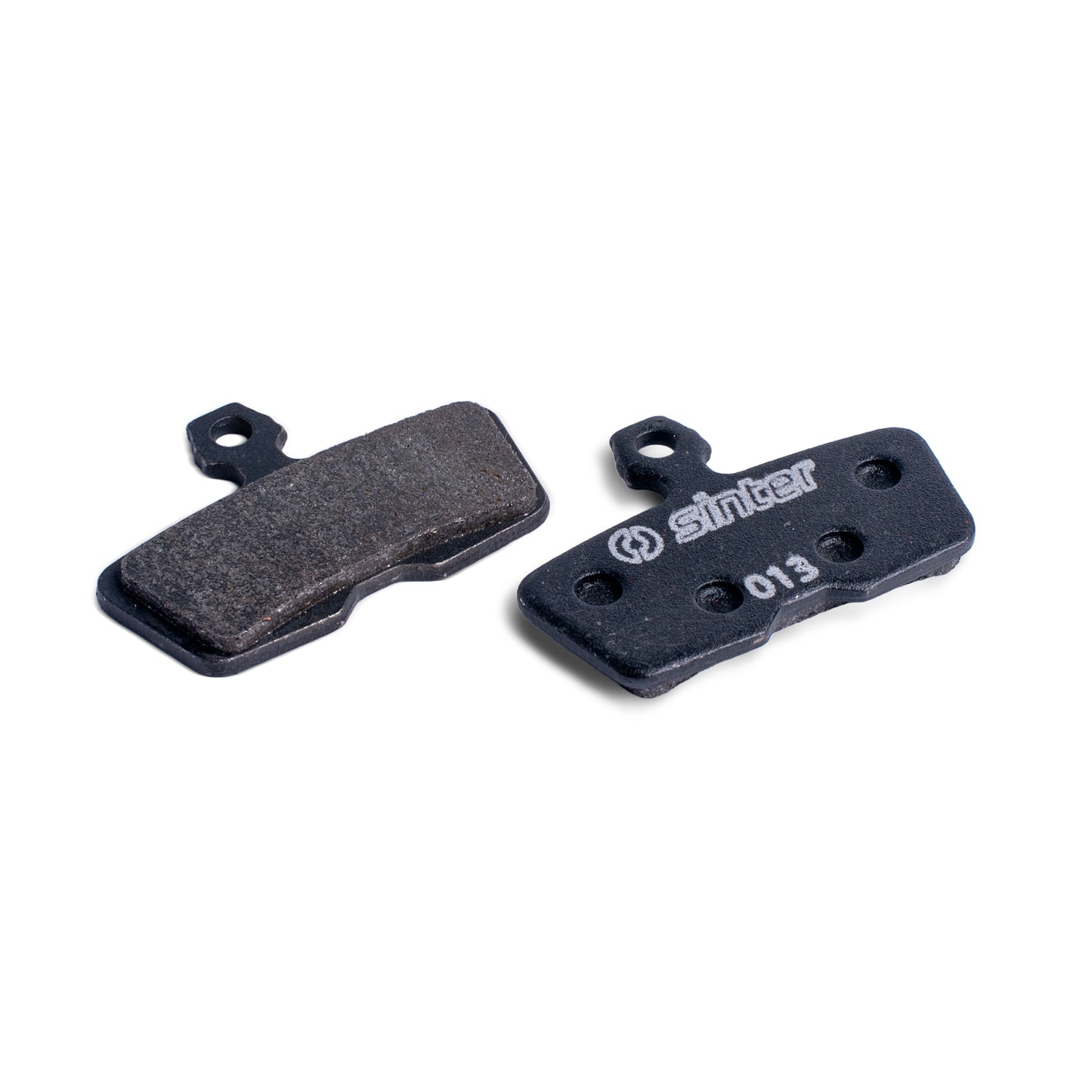
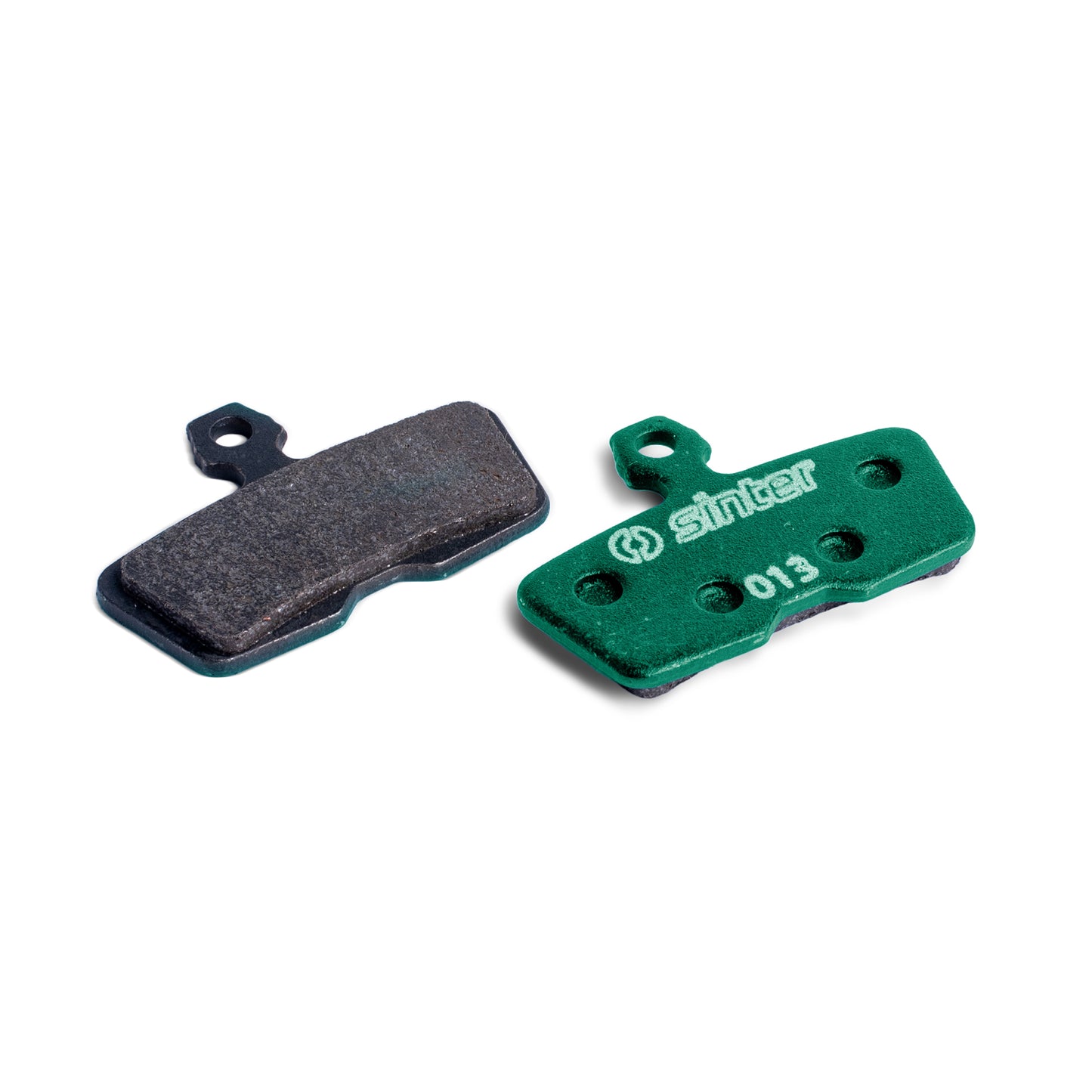
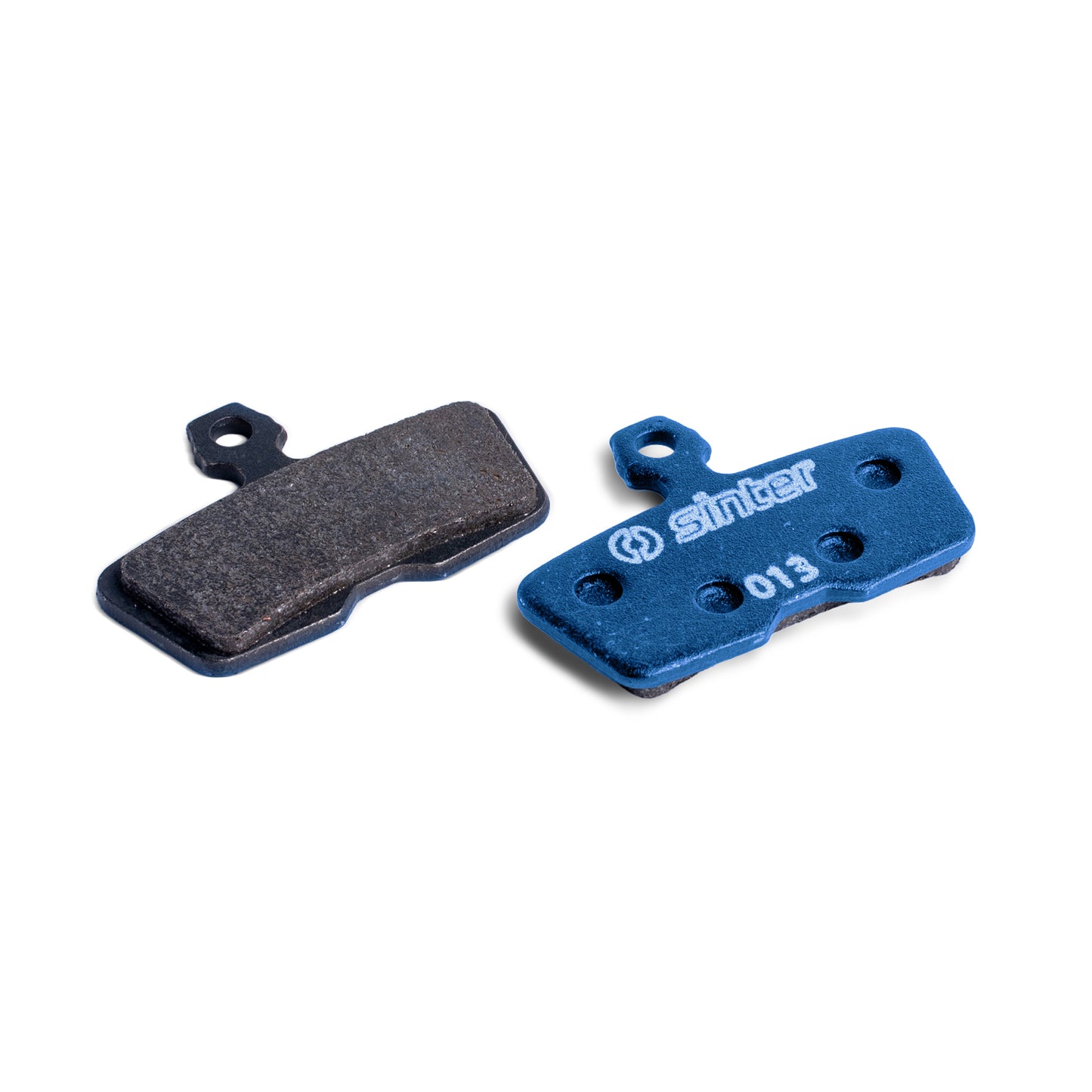
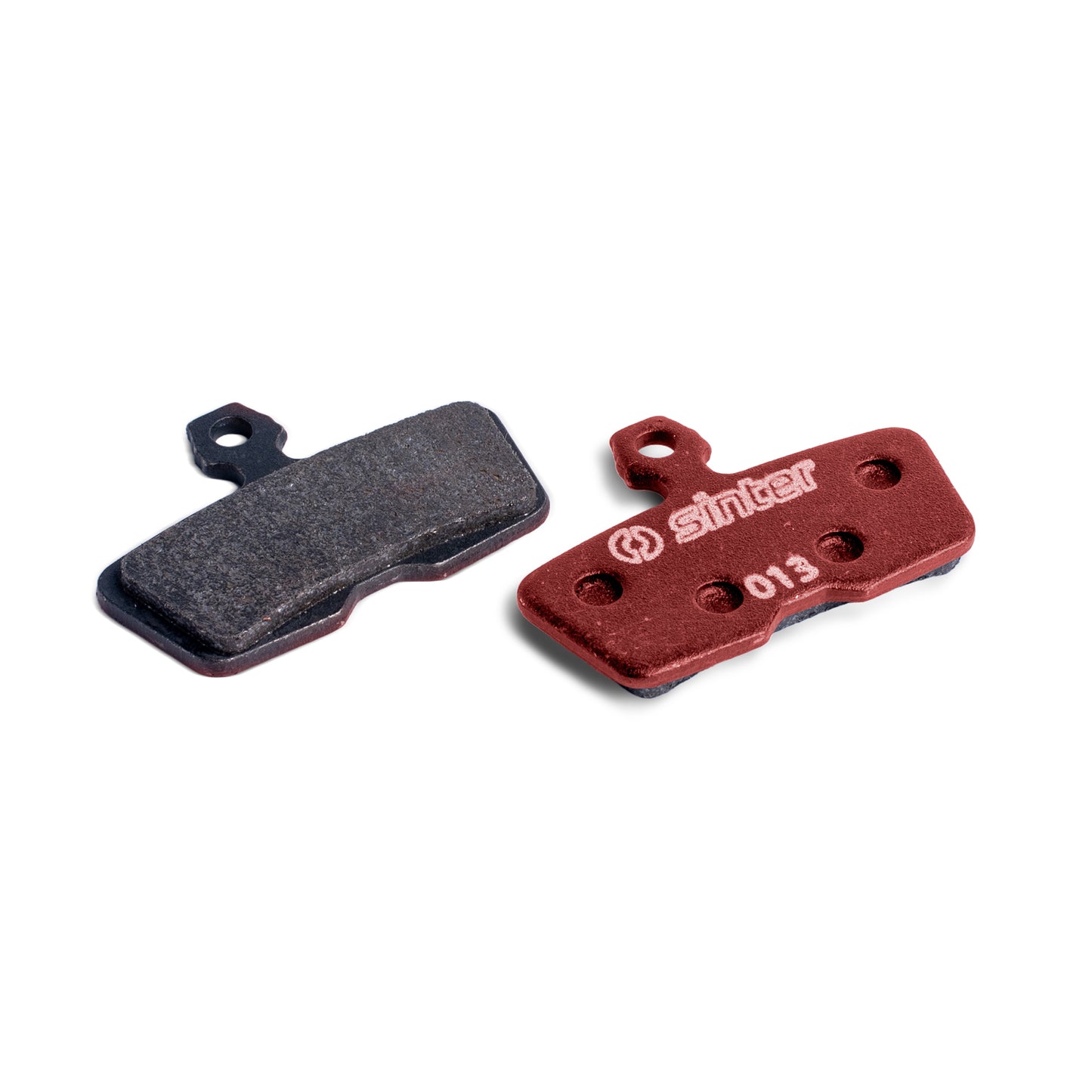
The SRAM Code is the company's heavy-duty four-piston MTB caliper; the platform for downhill, heavy-duty enduro, and high-power e-MTB builds where the brake is asked to dissipate more heat than the Guide / G2 platform was designed for. The Sinter Model 013 is the organic-compound pad for the Code, the Guide RE (the e-bike-specific Guide variant), the DB8 (SRAM's hybrid mineral-oil heavy-duty caliper), the G2 RE (the e-bike G2), the Motive (SRAM's gravel-targeted heavy-duty caliper), and the legacy Avid Code 2011–2016.
What's in the kit
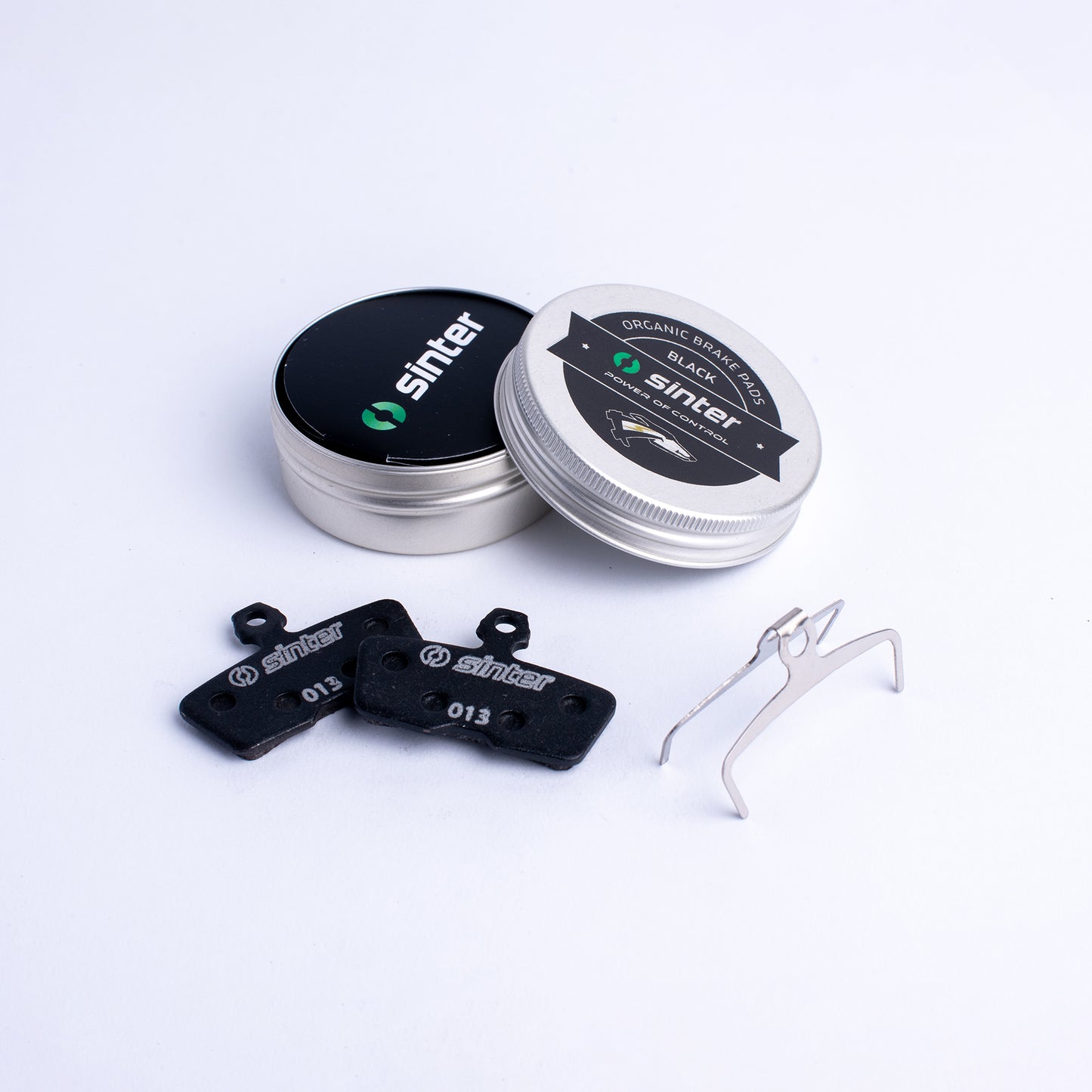
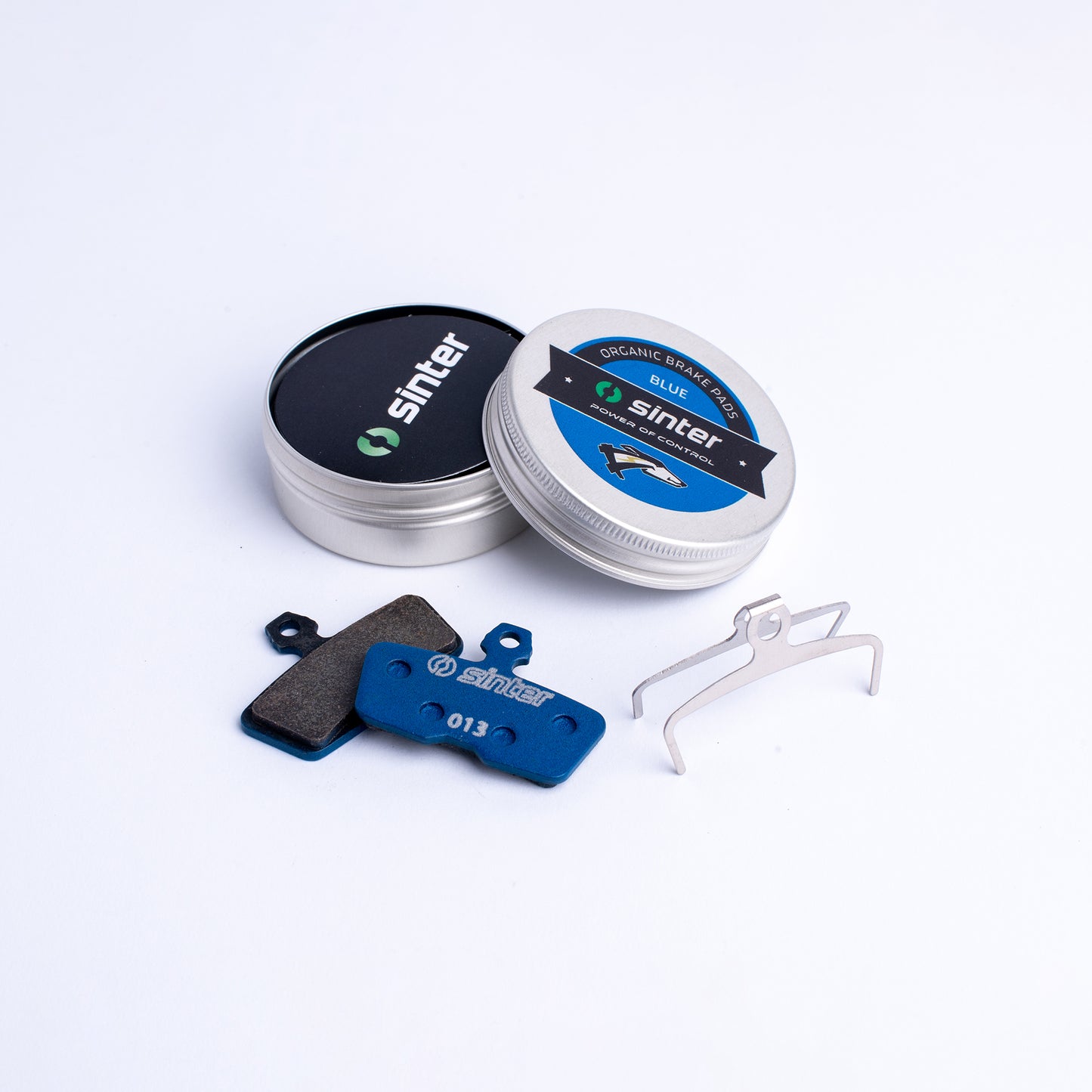
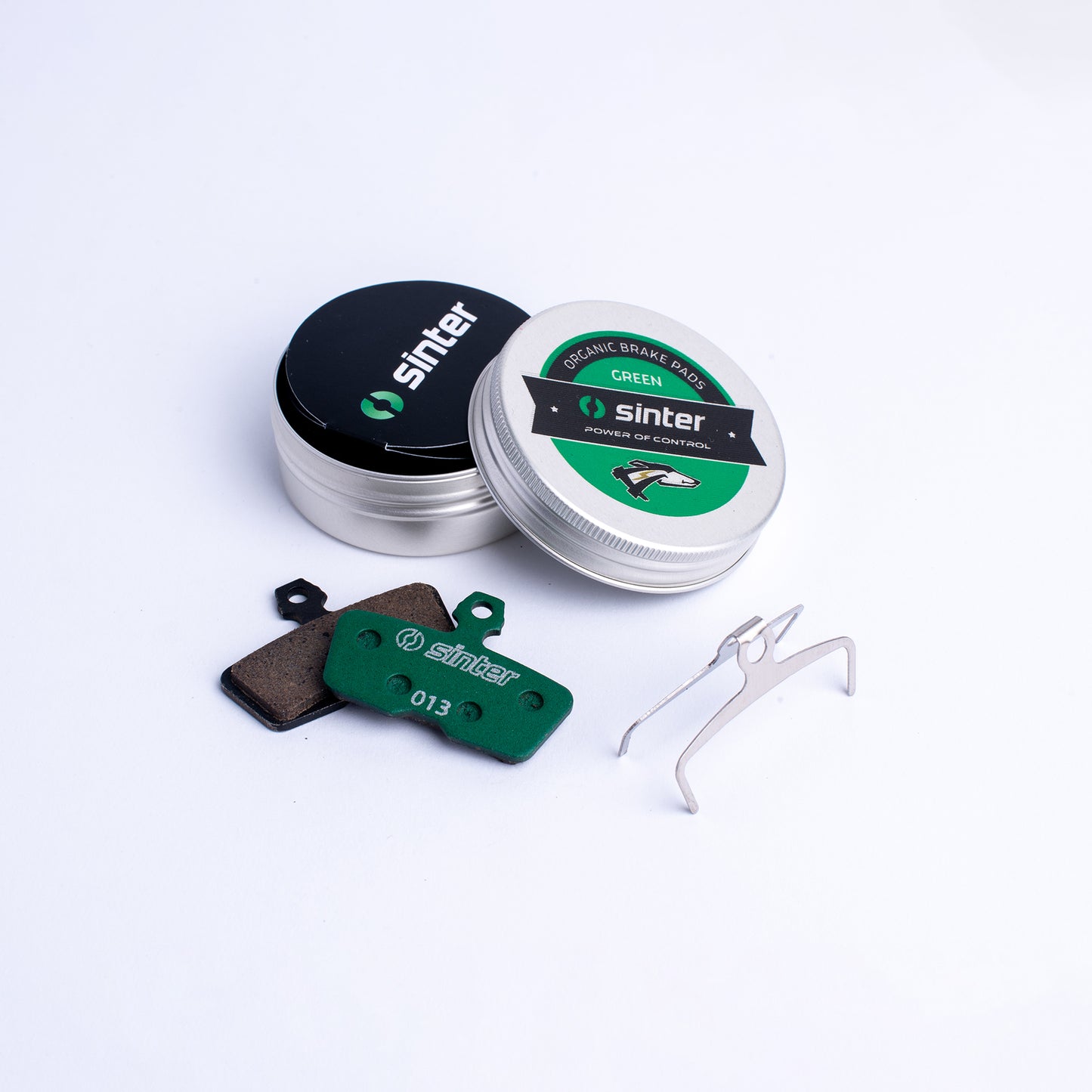
One caliper's worth of pads (2 pads, left and right) for the Code / Guide RE / DB8 pad pocket. The kit ships with the spring, pin, and bedding-in instructions. Order two kits if you're replacing front and rear pads in the same service.
Fits
Code / Guide RE / DB8 four-piston pad shape:
- SRAM Code R
- SRAM Code RSC
- SRAM Guide RE (e-bike variant)
- SRAM DB8 (mineral-oil hybrid)
- SRAM G2 RE (e-bike G2 variant)
- SRAM Motive (gravel and adventure four-piston)
- Avid Code 2011–2016 (legacy generation)
The Code platform is the right caliper for downhill, heavy enduro, e-MTB on 200-mm rotors and up, and any rider who's asked their brakes to handle sustained heavy descents. The shared pad pocket with the Guide RE, G2 RE, and DB8 means one Sinter model number replaces pads across the whole SRAM heavy-duty platform.
Compound and feel
Heavy-duty four-piston calipers create the most challenging compound-choice question in the Sinter catalog. Sintered metal pads are the conventional answer for sustained-heat applications; Sinter's response is that organic ceramic-loaded compound delivers the modulation that aggressive descending demands without the rotor-noise penalty and faster rotor wear that sintered pads bring. For a Code-equipped enduro rider running a 200-mm front rotor and a deliberate braking pattern that lets the rotor cool between hard inputs, the Sinter organic compound stays inside its thermal envelope and bites cleanly through the descent.
The Code / Guide RE / DB8 customer who's pushing the brake into sustained sintered-pad territory should pair the Sinter pad with a larger rotor (203 mm front, 200 mm rear, or larger), which spreads the thermal load across more swept area and keeps the compound below its fade threshold.
Specs
- Compound: organic (ceramic-loaded, resin-bound)
- Backing plate: steel
- Pad shape: SRAM Code / Guide RE / DB8 four-piston
- Pads per package: 2 (one caliper)
- Includes spring and pin
Includes: 2 pads (left and right), spring, pin, bedding-in instructions.
Sinter's organic compound, made in Slovenia
Sinter has been making friction materials in Ljubljana since 1969, and developed the first disc brake pads in the former Yugoslavia in 1972. The bicycle line runs through the same plant that ships organic-compound pads to motorcycle OEMs like Aprilia and KTM; both manufacturers running brake systems with sustained heat loads that exceed almost any bicycle application. Unior has been forging hand tools in Zreče since 1919, and is the official technical partner of multiple World Tour and downhill teams. The Code-platform pads land on the bikes of pro-mechanic DH crews who push the brake harder than most.
Pro tip from our mechanics
The SRAM Code's piston-spread step is more demanding than the Guide / G2 step: four pistons in a denser caliper body, often unevenly worn after a hard season. Before installing fresh Sinter pads, work each piston individually with a piston-spreader so they're all retracted to the same depth. A stuck or partially-retracted piston means the fresh pad rubs against the rotor immediately on install, which produces uneven wear and the characteristic “Code rear pad always burnt” complaint within fifty miles.
How to read the fitment table and choose the right compound for your riding is laid out in How to choose Sinter brake pads →.
Share