


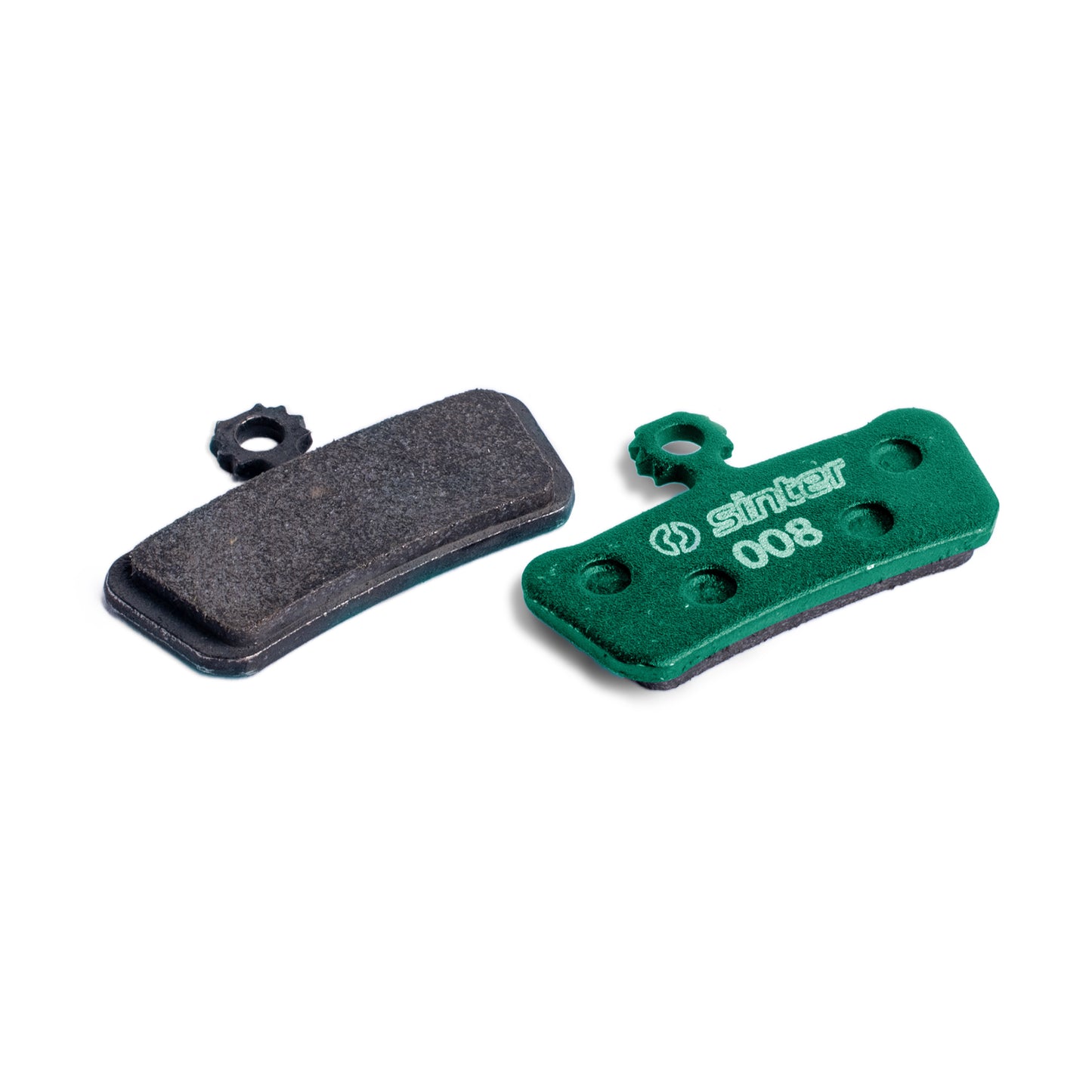
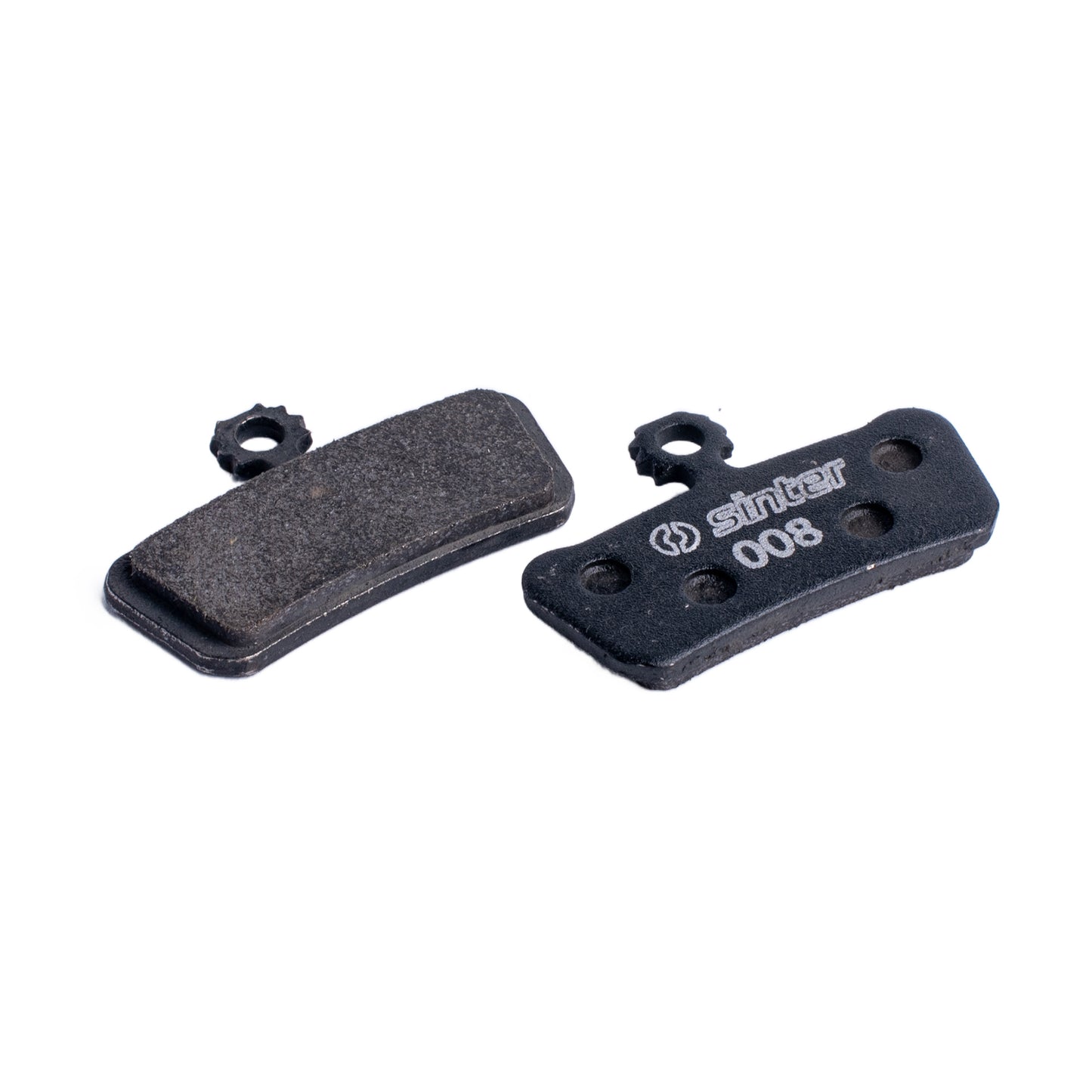
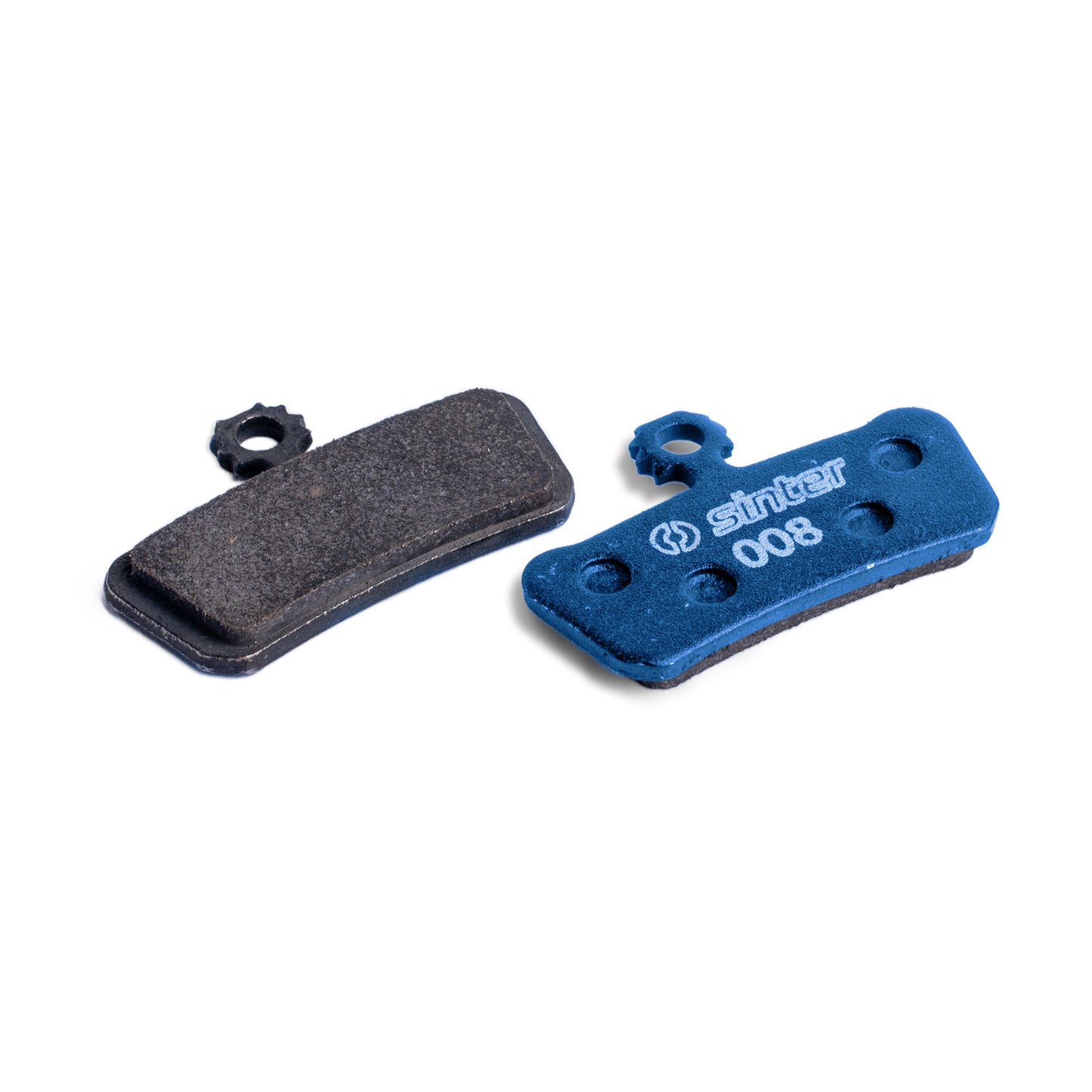
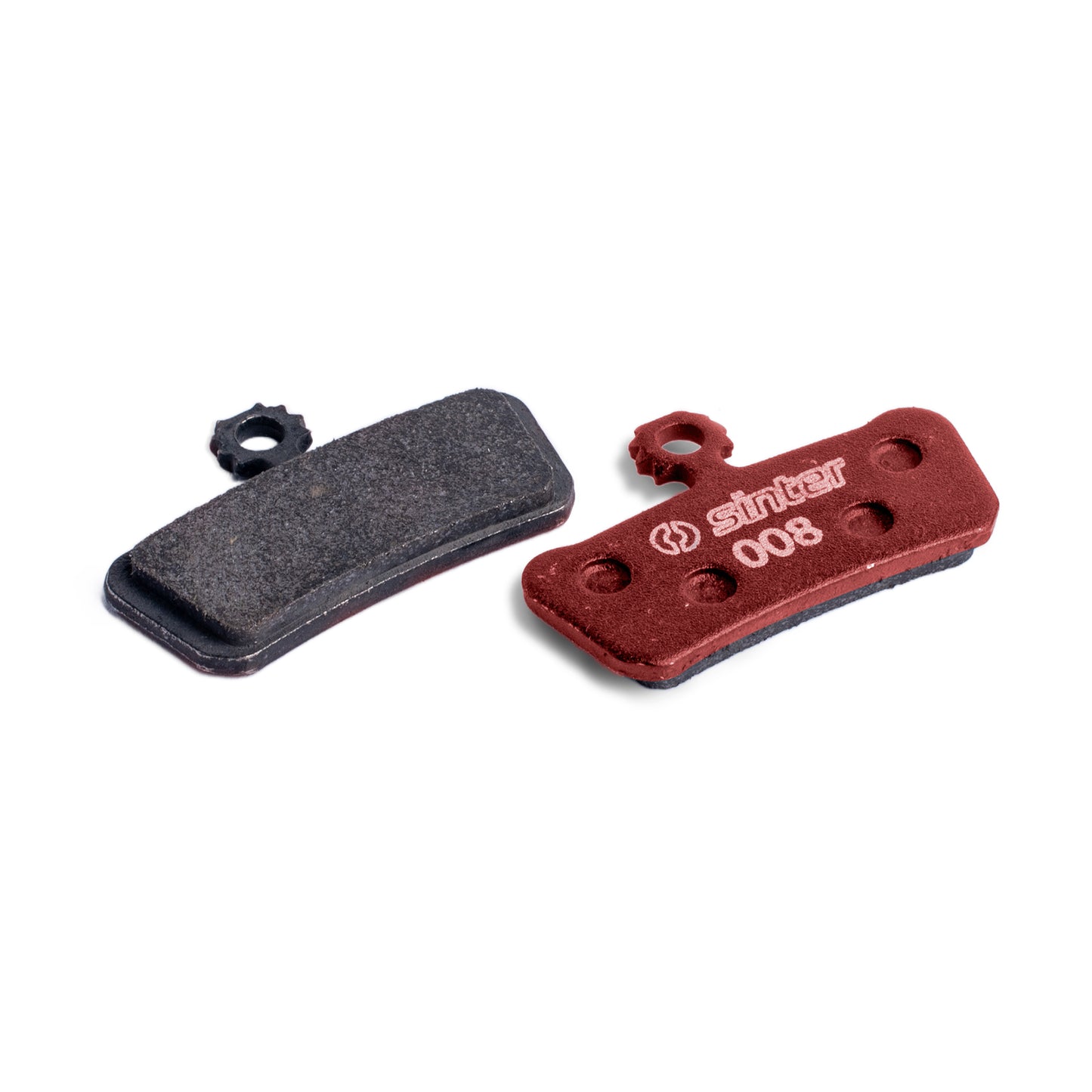
Sinter Model 008 organic replacement pads for SRAM G2, Guide and Avid Trail four-piston calipers. Despite the name, Sinter only make organic pads, not sintered-metal, so these run cooler at the caliper than sintered and give you more lever feel and finer modulation on long descents, with quiet, low-vibration braking. Pick the compound colour below.
In stock
Couldn't load pickup availability
Free US shipping on orders $75+
Some exceptions apply — see shipping policy
Founded in 1969, Sinter makes brake pads in Ljubljana, Slovenia.

On this page
The SRAM Guide and G2 calipers; the company's mid-tier-and-up four-piston MTB platform; share a pad pocket with the older Avid Trail series and with the current Level Stealth four-piston caliper. The Sinter Model 008 is the organic-compound replacement for that pocket. The same pad shape covers Guide R / RS / RSC / Ultimate, all current G2 variants, the Avid Trail 7 / 9 / Guide, and the Level Stealth four-piston.
What's in the kit
One caliper's worth of pads (2 pads, left and right) for the Guide / G2 / Trail / Level Stealth four-piston pocket. The kit ships with the spring, pin, and bedding-in instructions. Order two kits if you're replacing front and rear pads in the same service.
Fits
Guide / G2 / Trail / Level Stealth four-piston pad shape:
- SRAM Guide R
- SRAM Guide RS
- SRAM Guide RSC
- SRAM Guide Ultimate
- SRAM G2 (full range)
- SRAM Level Stealth 4 Piston
- Avid X0 Trail, Trail 7, Trail 9, Trail
The Guide and G2 are the platforms SRAM positions for enduro and aggressive trail MTB; the Sinter compound choice for this pad pocket is the same organic ceramic-loaded mix that handles the cumulative heat these four-piston calipers see on long descents.
Compound and feel
Sinter's organic compound earns its keep on four-piston SRAM calipers in the same way it does on four-piston Shimano calipers: enduro and trail riders work the brake at sustained moderate pressure on long descents, and organic-matrix modulation outperforms sintered-pad raw heat capacity in that pattern. The kevlar, ceramic, clay, and carbon fibers in the matrix hold a wider thermal range than a typical resin pad, so the Guide-and-G2 customer running a 200-mm front rotor on enduro terrain stays inside the compound's working envelope on descents that would put a less refined organic pad into early fade.
Choosing your compound
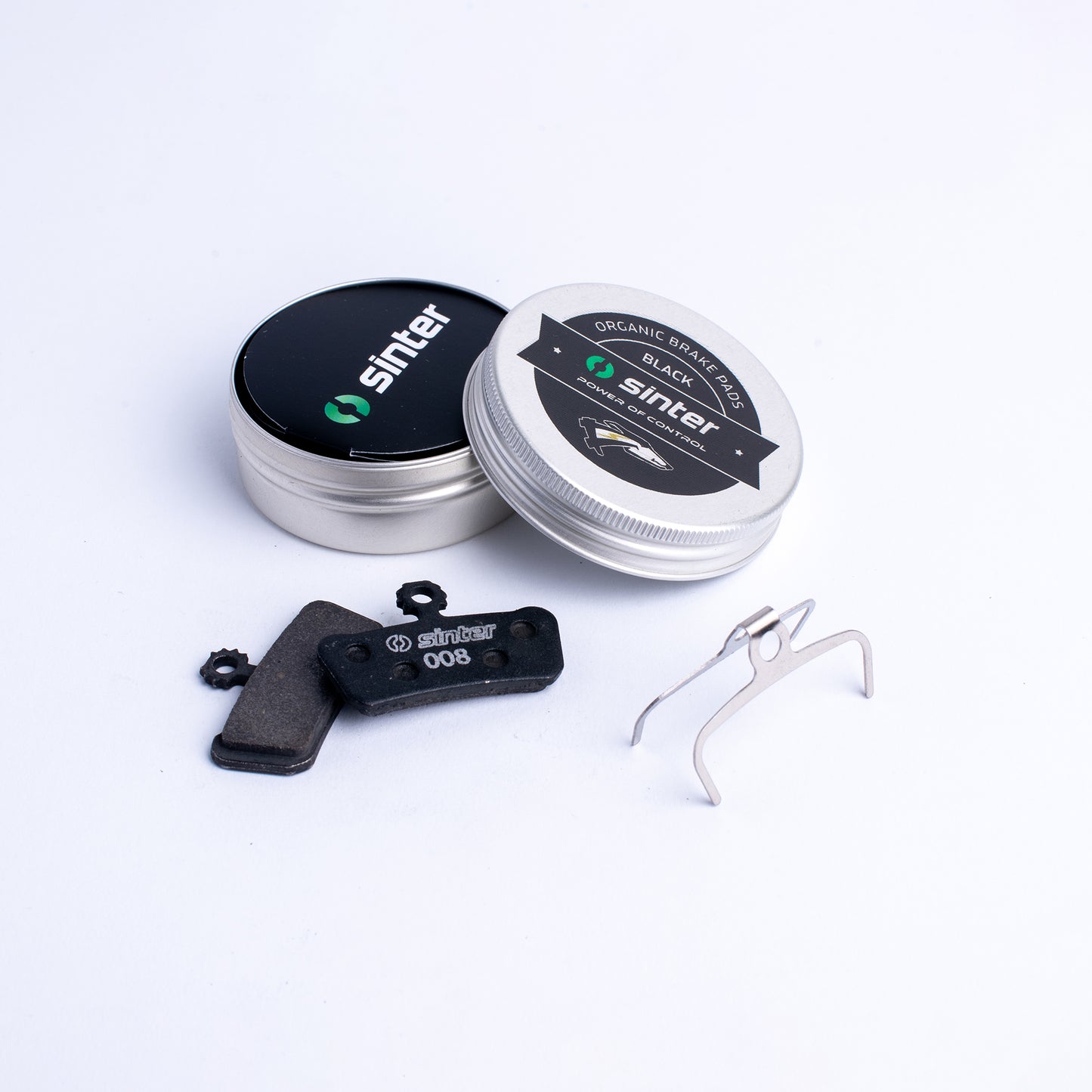
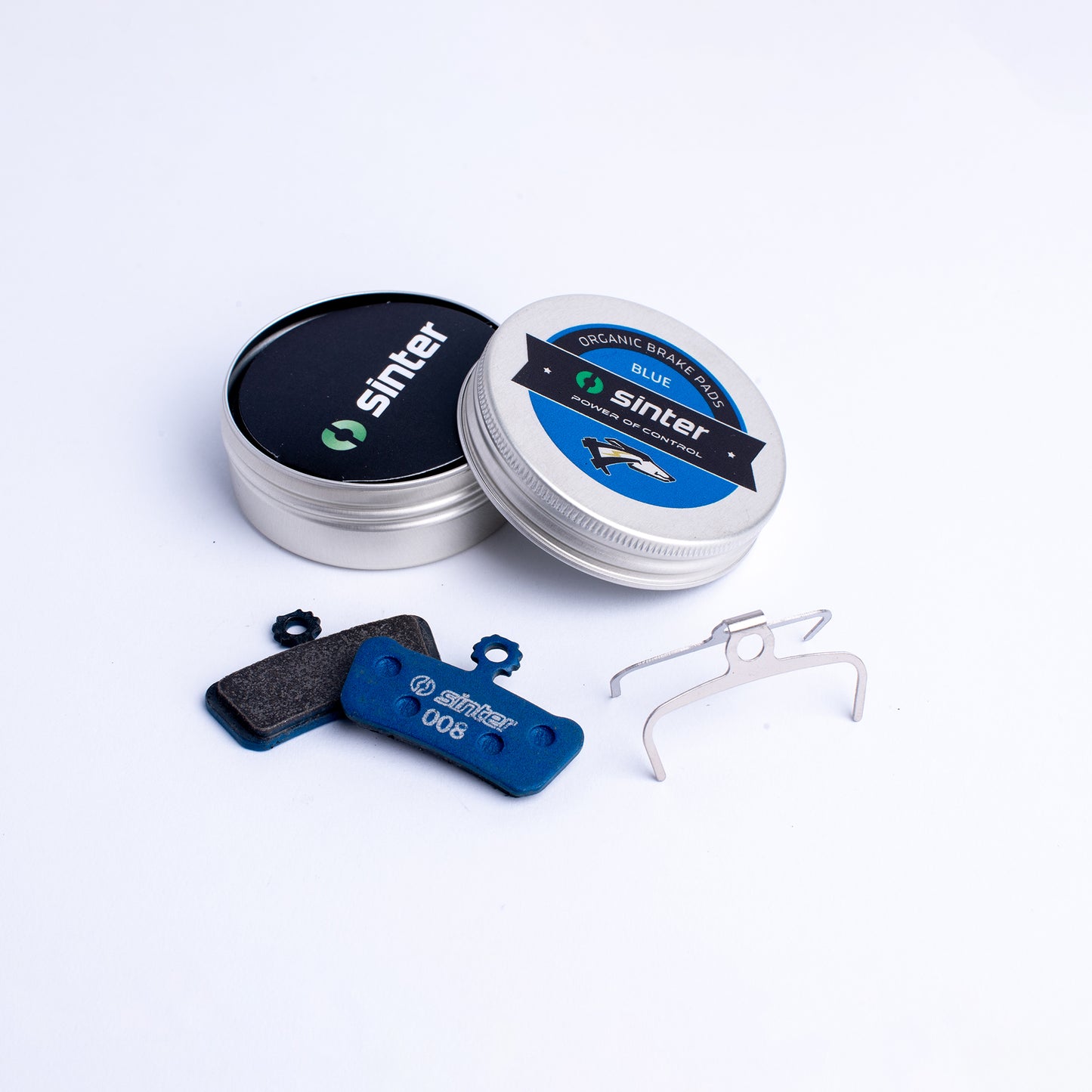
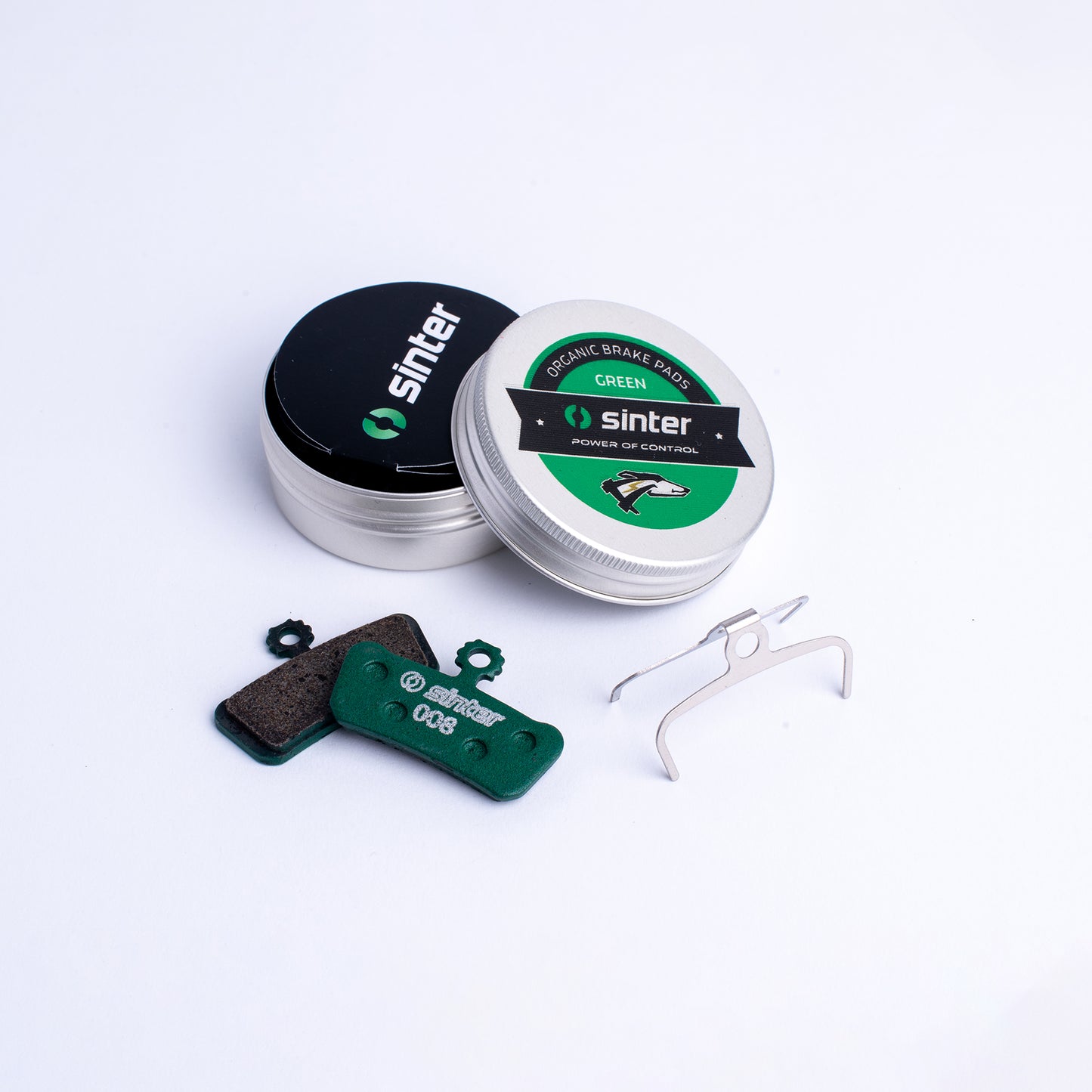
Despite the name, every Sinter compound is organic — not a sintered-metal pad. Organic pads run cooler at the caliper, give more lever feel and modulation, stay quiet, and are gentler on your rotors. The color of the backing plate tells you the compound.
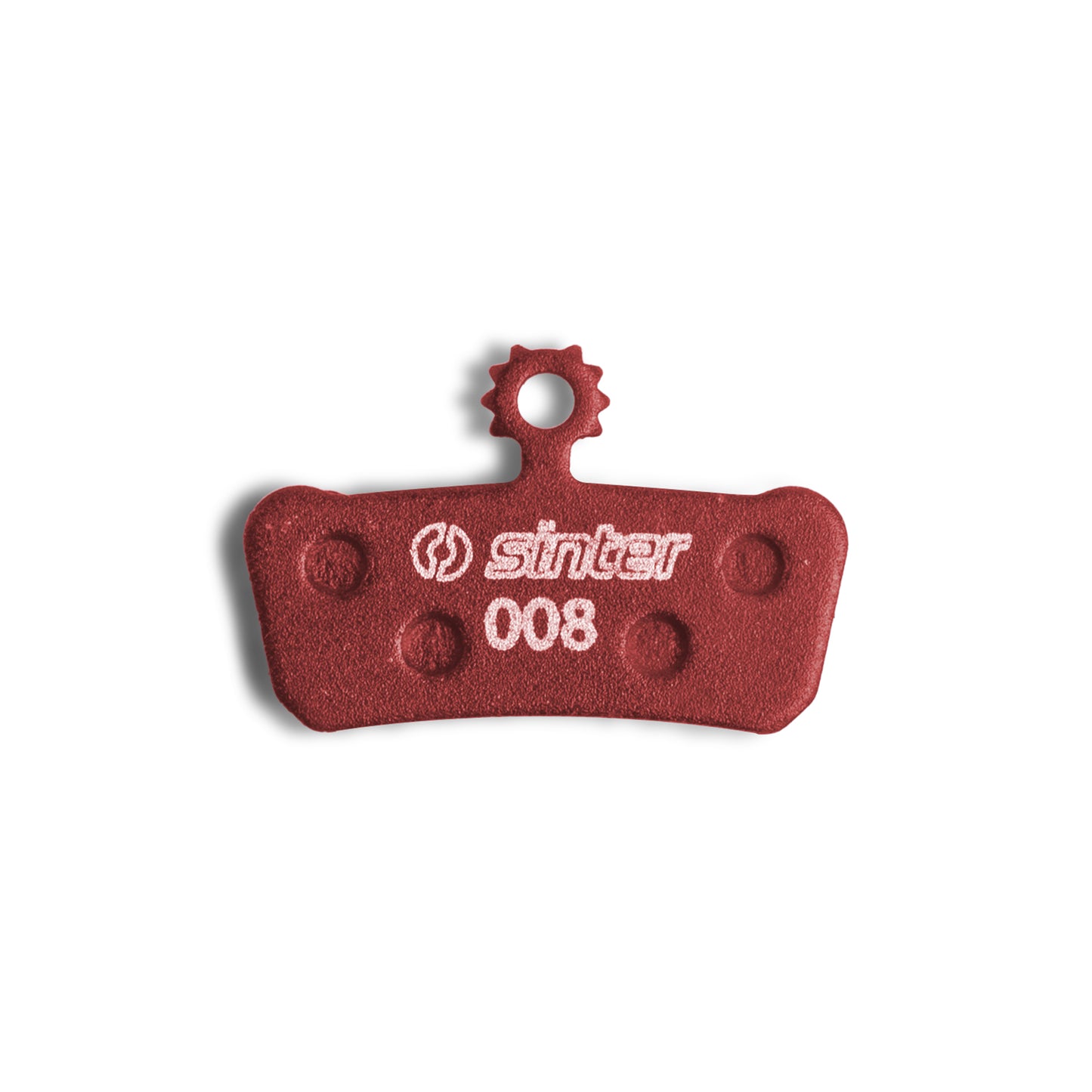
Red s514
The all-round upgrade from OEM. Consistent performance, smooth modulation and lever feel, excellent durability.
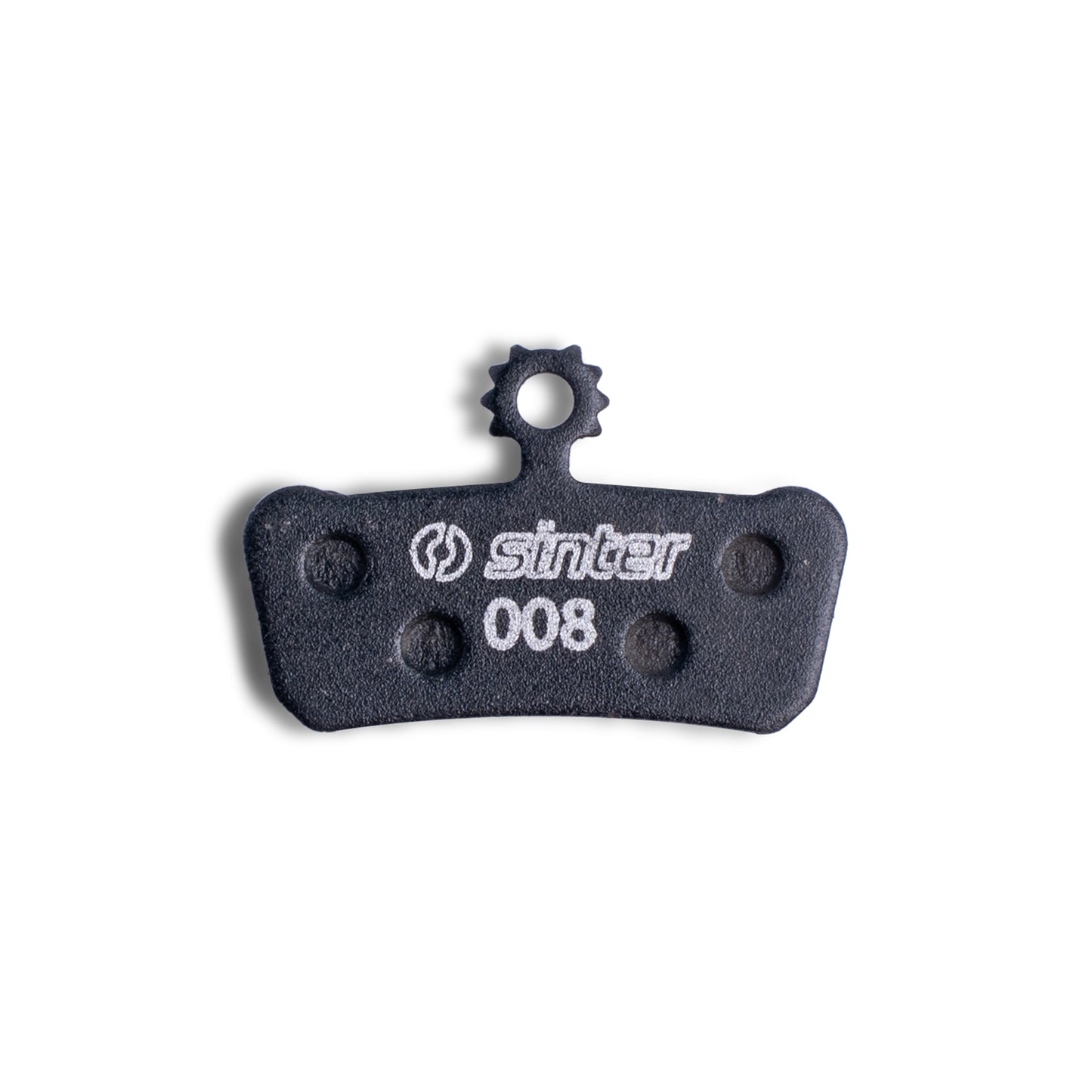
Black s550
Long-wearing organic compound. Predictable braking across temperatures in all conditions, including mud and wet.
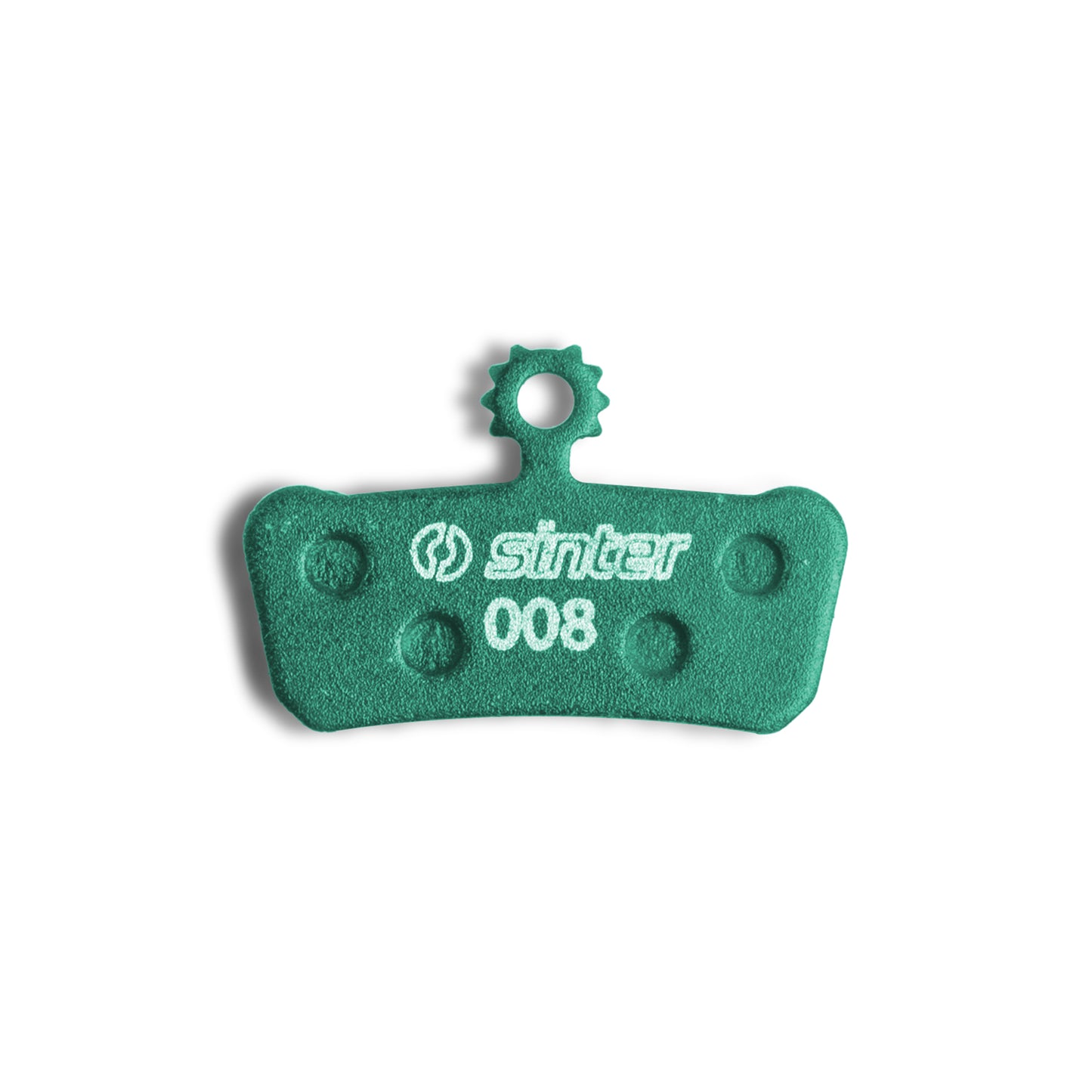
Green s2032
Sinter's race compound. A state-of-the-art material for braking aggressively while keeping ultimate power and control across temperatures.
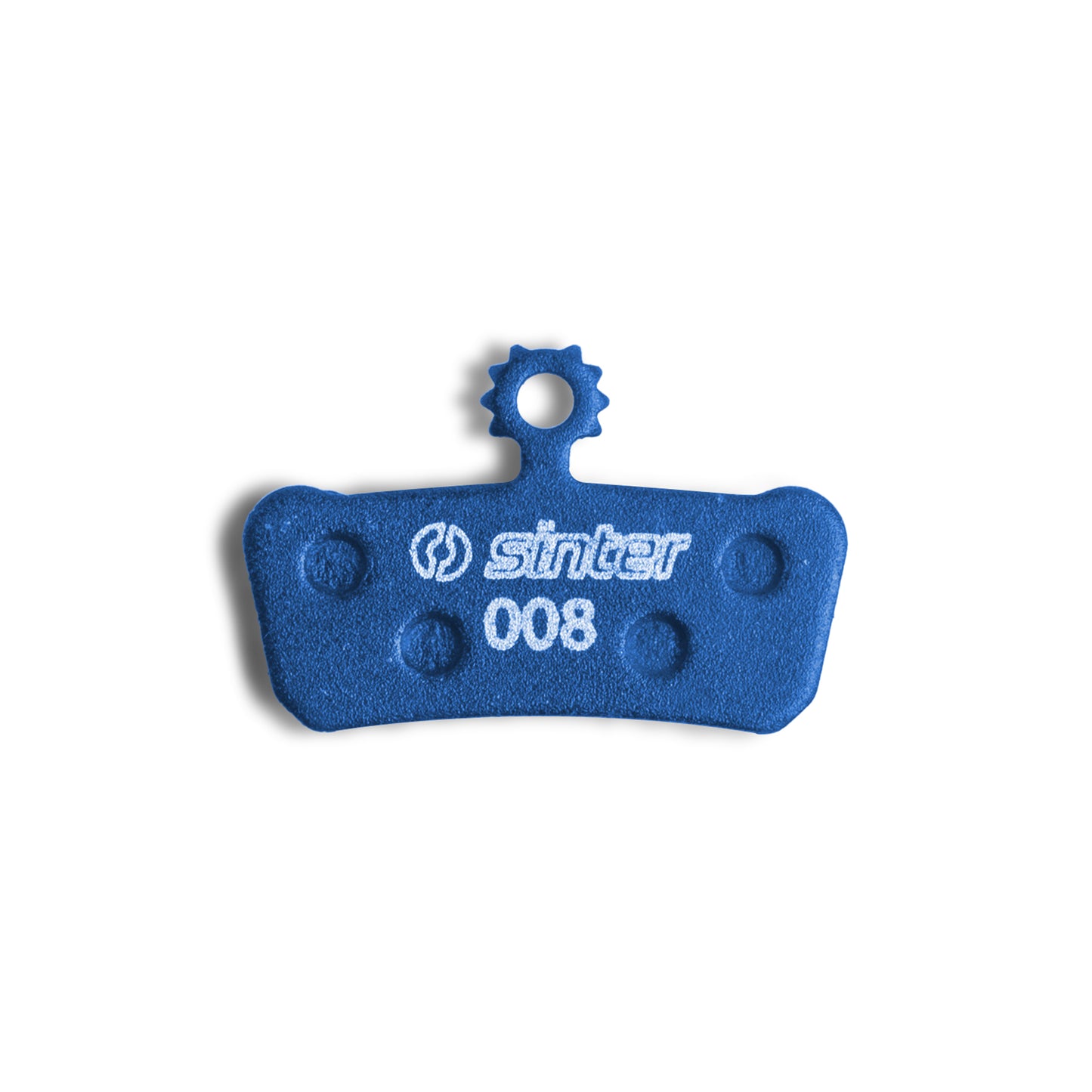
Blue s530
For e-bikes, DH and Enduro. Consistent power with high modulation, lever comfort and slow wear across all temperatures.
Our pick for this brake
Also in the Sinter range: the Cargo pad, built for cargo bikes and heavy daily city loads.
Specs
- Compound: organic (ceramic-loaded, resin-bound)
- Backing plate: steel
- Pad shape: SRAM Guide / G2 / Trail / Level Stealth four-piston
- Pads per package: 2 (one caliper)
- Includes spring and pin
Includes: 2 pads (left and right), spring, pin, bedding-in instructions.
From the Ljubljana bench
Sinter's bicycle line runs through the same Ljubljana plant that supplies organic-compound pads at scale to motorcycle OEMs. Unior has been forging hand tools in Zreče since 1919, and sponsors professional road and mountain-bike race teams. Euro Toolworks is the importer behind both Slovenian brands in North America. The Model 008 is one of the highest-volume four-piston pad shapes in the Sinter catalog because the SRAM Guide / G2 platform is on more aggressive trail and enduro bikes than any other current four-piston design, and that breadth-of-installed-base is what keeps the Model 008 at the top of the brake-pads collection's monthly orders.
Pro tip from our mechanics
The SRAM Guide and G2 four-piston caliper has a known retraction-spring behavior where the rear pad and front pad can wear at slightly different rates depending on how the spring seats against the new pad set. Install fresh Sinter pads with the spring properly seated (the spring's bent legs sit against the pad-back, not the pad's friction surface), and the wear pattern stays even through the pad's working life. If the spring goes in backwards (a common first-install mistake), the front pad will wear noticeably faster than the rear.
Which compound suits your riding and which Sinter model fits your brake is covered in How to choose Sinter brake pads →.
FAQ
Which brakes does the Sinter Model 008 fit? You will want this pad for SRAM G2, Guide, and Avid Trail four-piston calipers, which all share the same pad pocket. Don't go by caliper name alone, though, since fitment comes down to the physical shape: pull a worn pad and line up the backing plate, tab, and pin hole with this one. A model number stamped on your old pad is the most reliable confirmation if it has one. If anything looks off, send us a photo of the old pad and we'll verify it before you buy.
Are these sintered or organic pads? They are organic. Despite the Sinter name, the company only makes organic brake pads, not sintered-metal ones. Organic pads run cooler at the caliper, give you more lever feedback and finer modulation, and are quieter with less rotor wear and vibration than sintered pads. None of the Sinter compounds are semi-metallic. For the full picture of how sintered pads are made and when each compound makes sense, read our guide to sintered vs organic brake pads.
Do I need to reset the caliper pistons before fitting new pads? Yes. As the old pads wore down, the pistons advanced to take up the gap, so there is not enough room for thicker new pads. Remove the old pads, then gently and evenly spread both pistons back into the caliper body with a flat tool before installing the new set. Take care not to scratch the piston faces, and keep brake fluid and contaminants off the new pads.
How do I bed in the new pads? Bedding in transfers an even layer of pad material onto the rotor so the brake reaches full power and stays quiet. After fitting, ride at a moderate speed and apply the brake firmly to slow down without locking the wheel, repeating around ten to twenty times, then let the brakes cool. Avoid hard stops or dragging the brake until the pads are bedded, or you can glaze them.
 Tech Tips
Disc Brake Pad Bedding In Procedure
Tech Tips
Disc Brake Pad Bedding In Procedure
From the press
The Sinter pads demonstrated the most consistent performance with the least fade, maintaining effective braking under high heat.
The Sinter pads – which are organic, by the way – improved deceleration on all models, but to very different degrees.
