
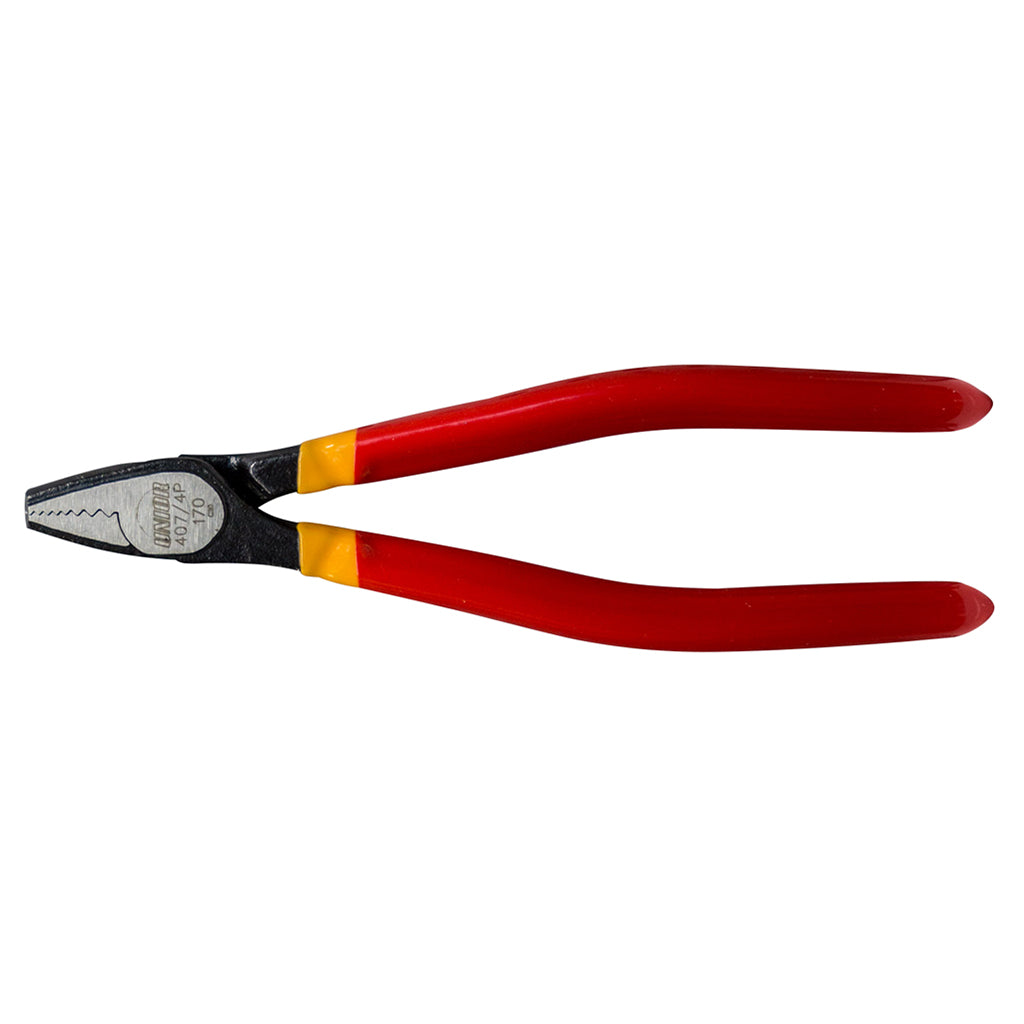
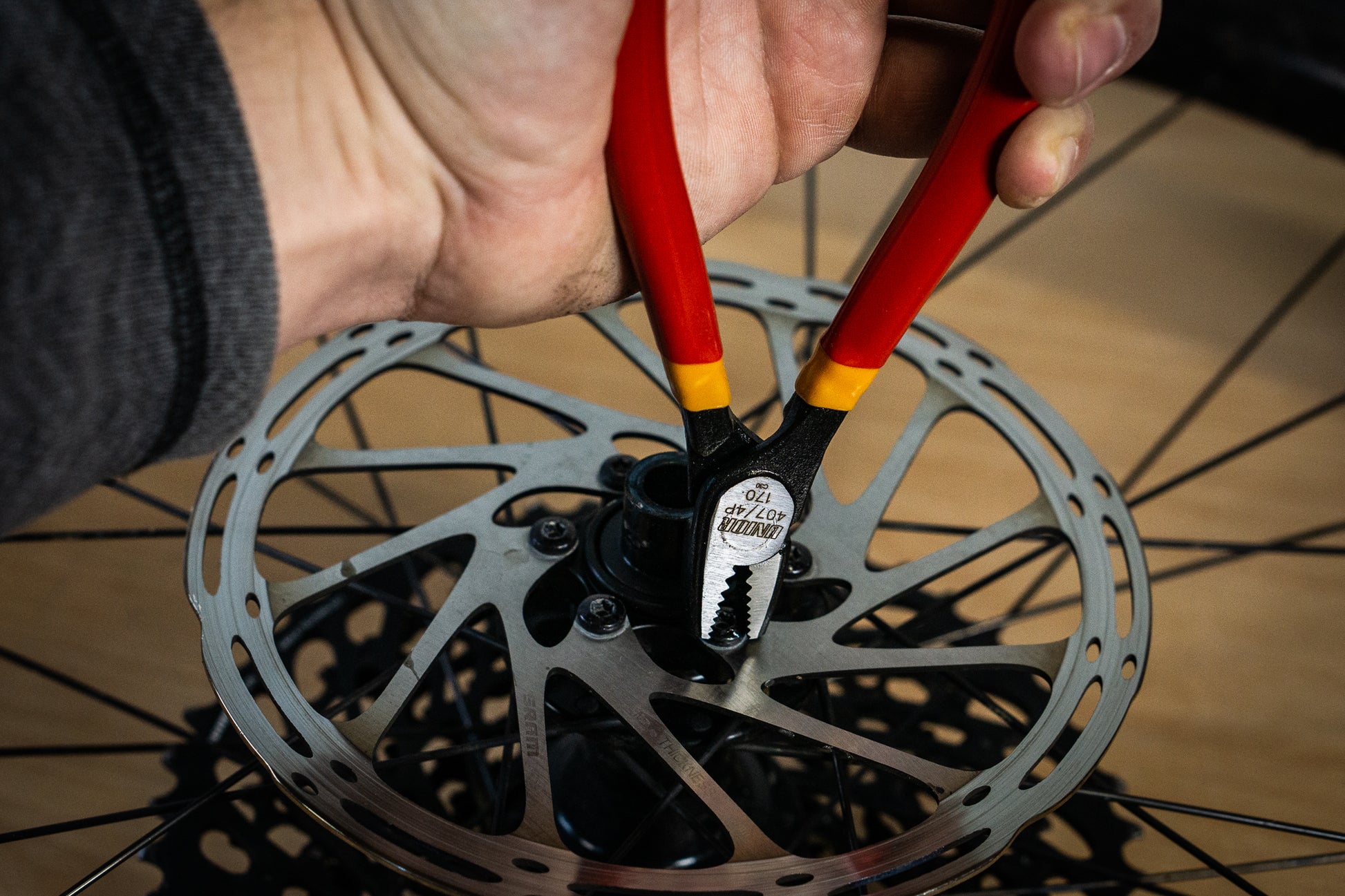


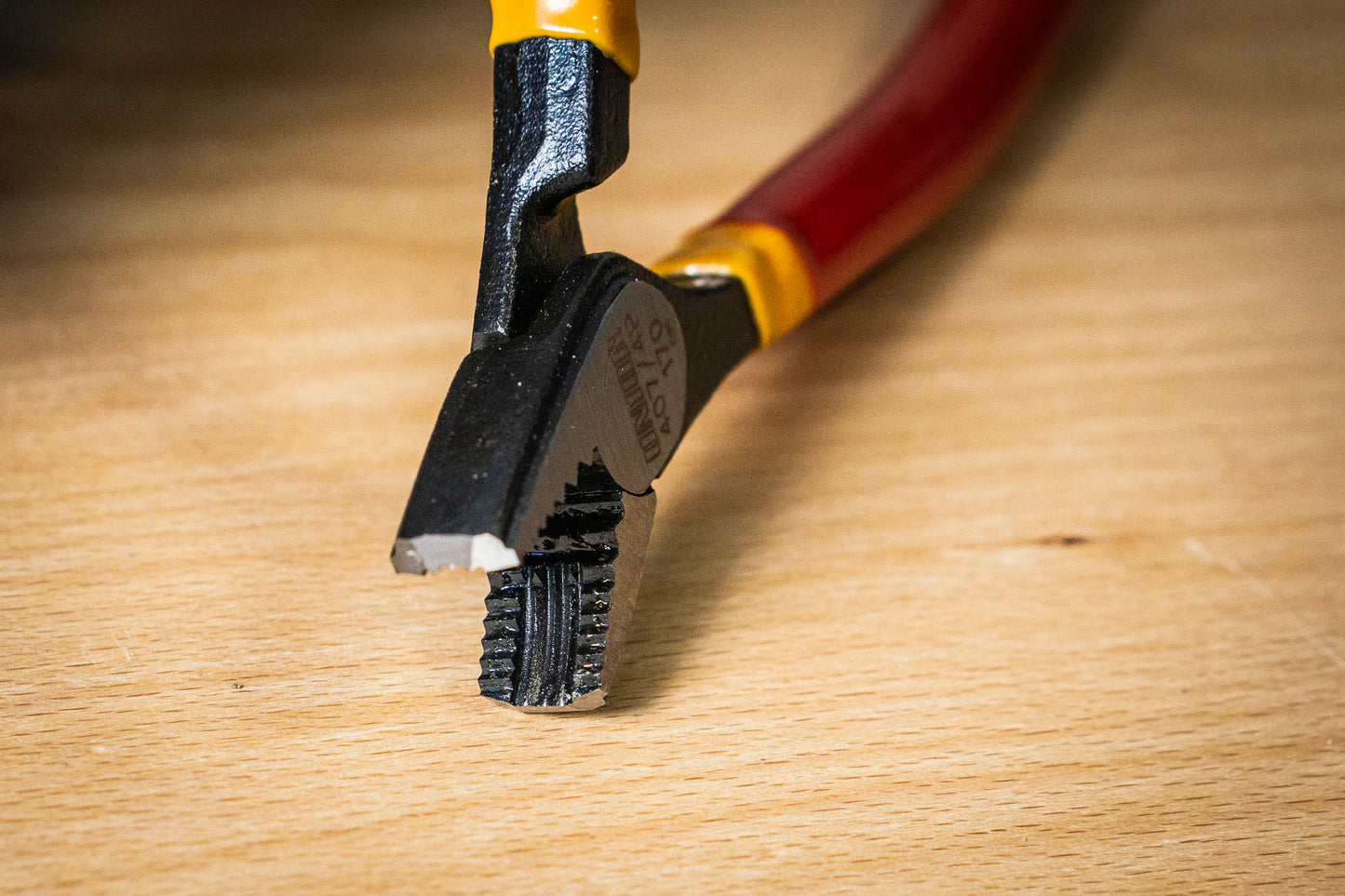
Grabs rounded-off screw heads by their outer diameter and turns them out like a wrench. Double serrated jaws — horizontal and vertical, strong and very sharp — bite fastener heads from 3 to 11 mm regardless of profile. Drop-forged premium plus carbon steel, 170 mm long, double plastic dipped handles.
In stock
Couldn't load pickup availability
Free US shipping on orders $75+
Some exceptions apply — see shipping policy
Unior has made hand tools in Zreče, Slovenia since 1919 and sponsors professional road and mountain-bike race teams.
View full details


On this page
Stripped fastener heads are a regular bike-shop problem. Modern drivetrains use shallower head profiles to save weight, which means the hex or Torx interface tolerates less wear before it cams out. Once the head has rounded off, a normal driver bit just spins; a drill-and-extract approach is destructive and slow. The 407/4DP is the cleaner answer: vertical jaw serrations that bite into the side of the fastener head and let you turn it like any other tool.
What it does well
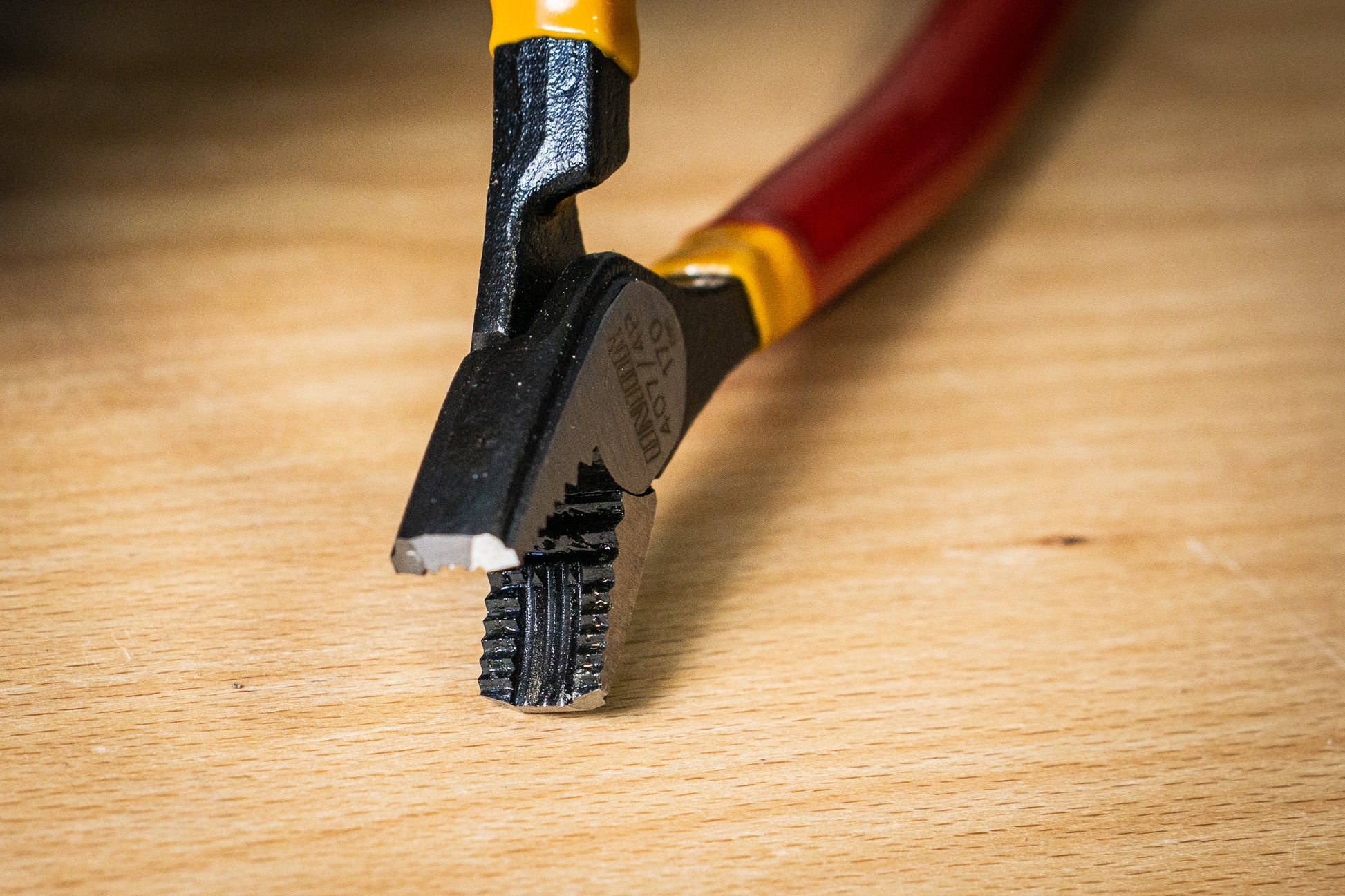
The vertical serration is the key design choice. Most pliers carry horizontal jaw teeth that grip well across cylindrical surfaces but cam off under rotational load. Vertical serrations cut into the fastener side at right angles to the turn direction, which is the geometry that holds the bite when you twist. Once the jaws are clamped, the fastener turns when you turn the plier; same motion as a wrench, with grip that doesn't slip.
The 170 mm length gives leverage without becoming unwieldy. The 3–11 mm head-diameter range covers the fastener sizes that come up most often in bike service: 4 mm hex bolt heads, 5 mm hex stem bolts, M5 rotor bolts, M6 derailleur-hanger bolts, and up to the 11 mm heads on larger components.
Where it earns its space in the bike shop
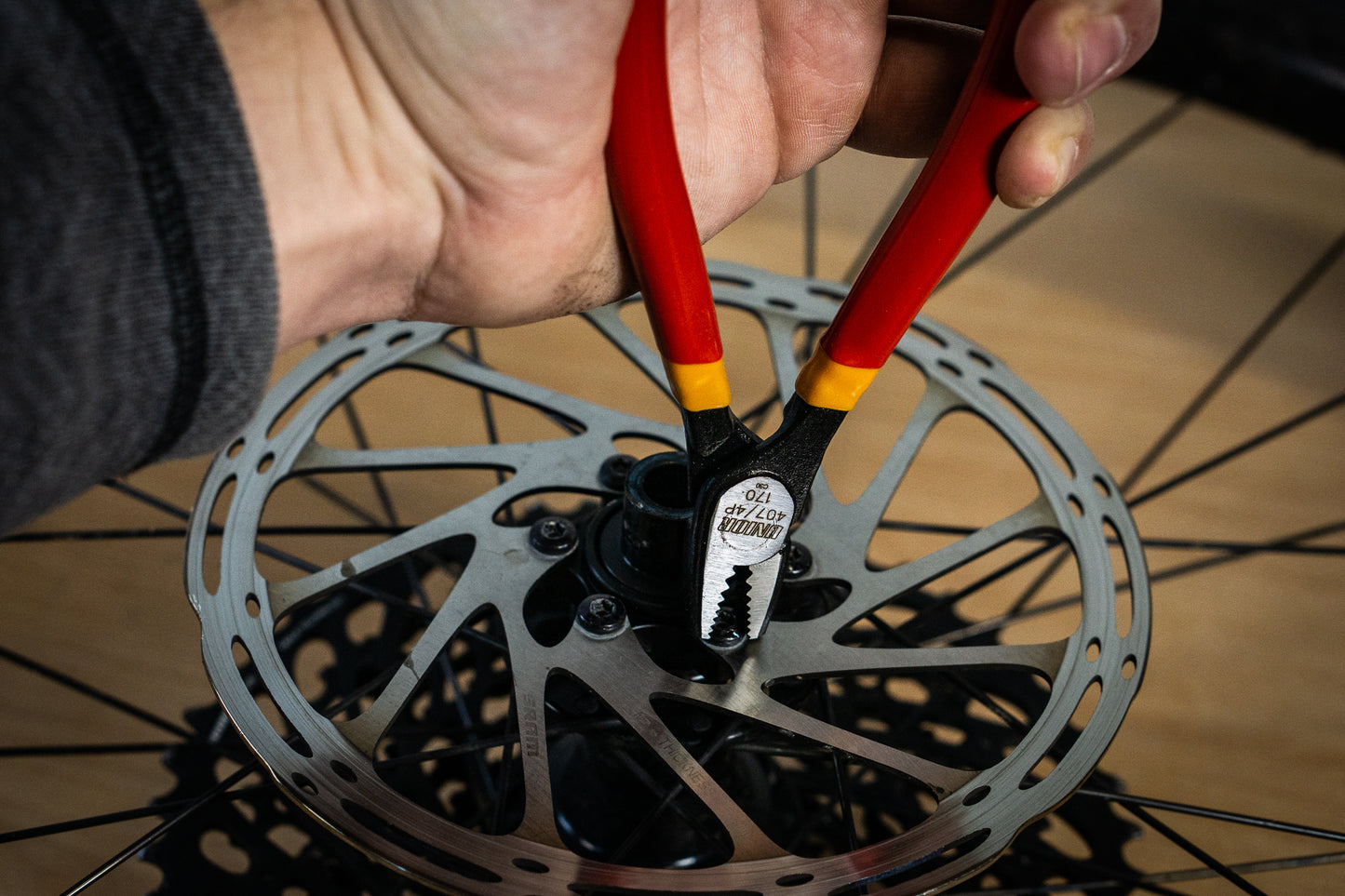
- Rounded rotor bolts. A common failure on M5 hex bolts; the vertical bite grips the head circumference.
- Stripped stem bolts. Same geometry; the vertical serration cuts through the cammed surface.
- Damaged crank-arm bolt heads. Where a hex key has rolled the corners.
- Replaced after the dedicated extractor. When a screw extractor has been ground off flush, this plier can sometimes still grab.
Honest framing
A stripped fastener is almost always a sign that the wrench used to install or remove it was the wrong size, the wrong fit, or under-engaged into the head. The fix here is reactive, not preventive. Once a head is rounded, the screw-grabbing plier saves you from drilling the bolt out; but the next time you install a rotor bolt or a stem bolt, prevention costs less than removal. A precision hex key fully seated into the head is the only thing that doesn't strip.
Specs
- Length: 170 mm
- Fastener head diameter range: 3 mm to 11 mm
- Construction: premium plus carbon steel, drop forged, hardened and tempered
- Jaw face: double serrated, horizontal and vertical
- Handles: double plastic dipped
Made in Slovenia, since 1919
Unior has been forging hand tools in Zreče since 1919, and sponsors professional road and mountain-bike race teams. The vertical-serration jaw geometry is a recent addition to the plier line, built on the same forging process as the rest of the family. We added it because the standard combination-plier geometry isn't the right answer for rounded fasteners; rotor bolts and stem bolts strip often enough in a working shop that a dedicated solution earns its place.
Pro tip from our mechanics
Keep this plier within reach if you service modern bikes. The cammed-off rotor bolt is a five-times-a-month event in any reasonably busy shop. For the broader plier choice tree, including when to use a locking plier instead: Pliers for bike work →.
FAQ
What size screw heads can the 407/4DP-US grip? Screw heads from 3 mm to 11 mm in diameter. That spans the common bike fasteners — 4 mm and 5 mm hex bolt heads, M5 rotor bolts, M6 derailleur-hanger bolts — up to 11 mm heads on larger components.
Does it work on stripped hex, Torx, and Phillips heads alike? Yes. The jaws are double serrated — horizontal and vertical teeth — and grab the screw by the outer diameter of the head, not the drive interface. The teeth are strong and very sharp, so the grip holds regardless of how badly the internal profile is rounded.
Will it grab countersunk or flush-seated screws? No. Because the jaws grip the outer diameter of the head, the head has to stand proud enough to clamp onto. A countersunk screw seated flush in its recess leaves nothing for the teeth to bite; for those, a drill-and-extract approach is still the fallback.
Is this the same tool as the Unior 407/4PR? Yes. Unior has renumbered this plier 407/4PR in its current catalog — same tool, same factory code 629036, with the red and yellow handles we've always stocked. Older listings may also show it as 407/4P or 407/4DP.
 Tech Tips
Hex and Torx wrenches: how to pick the right tool for the job
Tech Tips
Hex and Torx wrenches: how to pick the right tool for the job
