

Pedal Tools
-
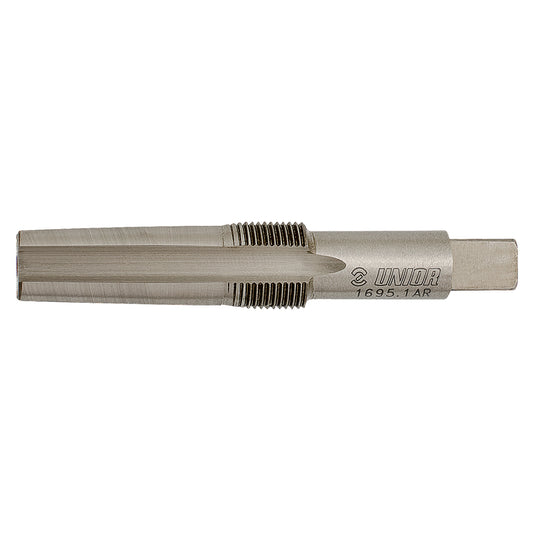
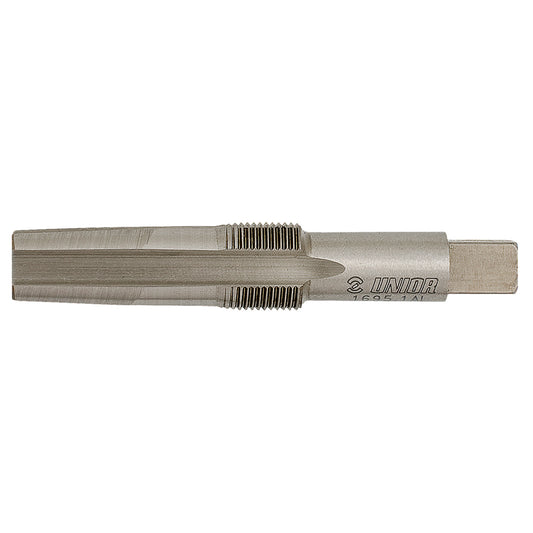
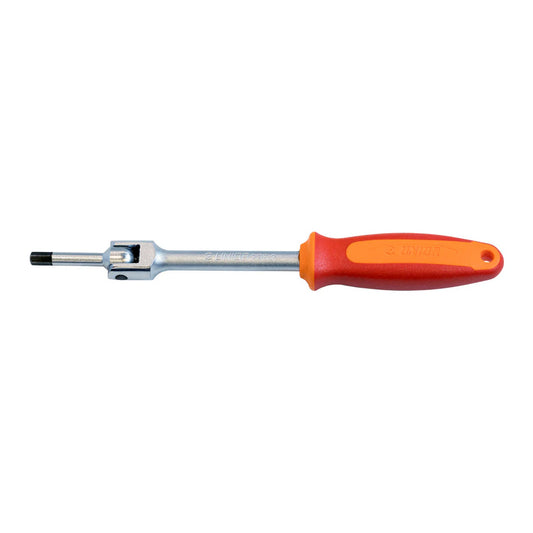
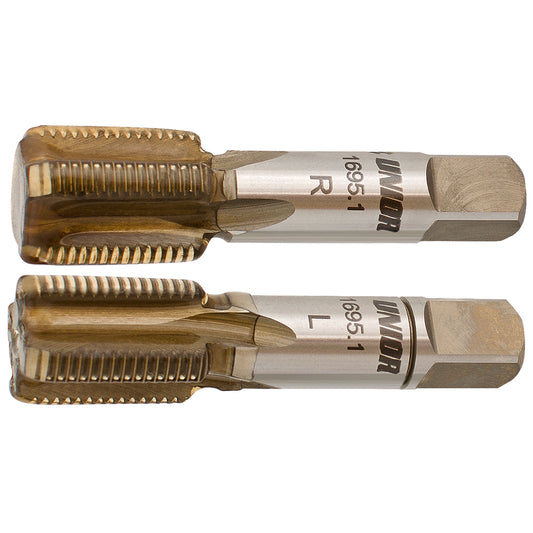
Right Pedal Reaming Tap
Regular price $35.99 USDRegular priceUnit price per -
Left Pedal Reaming Tap
Regular price $35.99 USDRegular priceUnit price per -
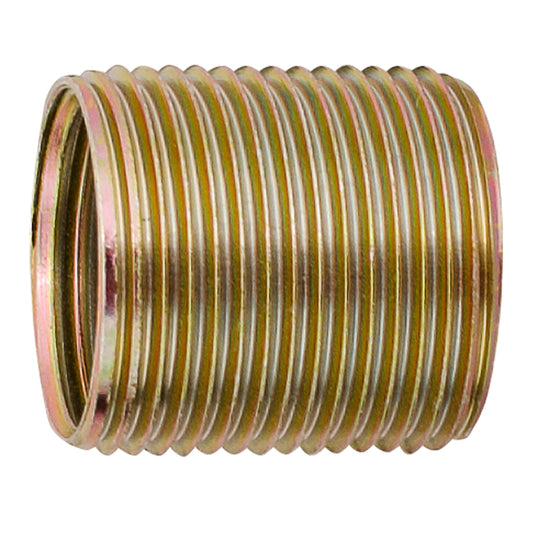
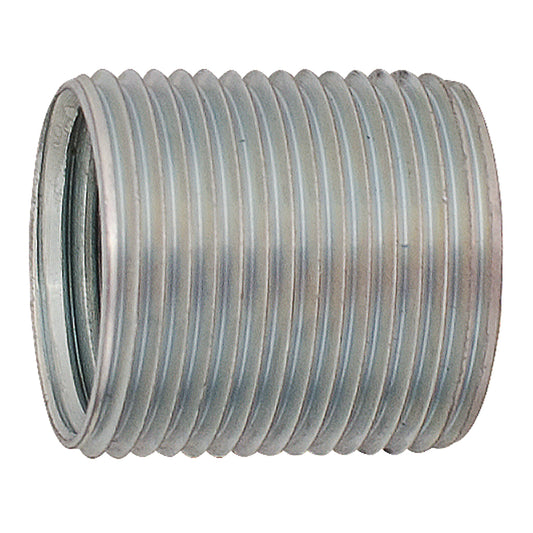
Right Pedal Thread Inserts, 10-Pack
Regular price $59.99 USDRegular priceUnit price per -
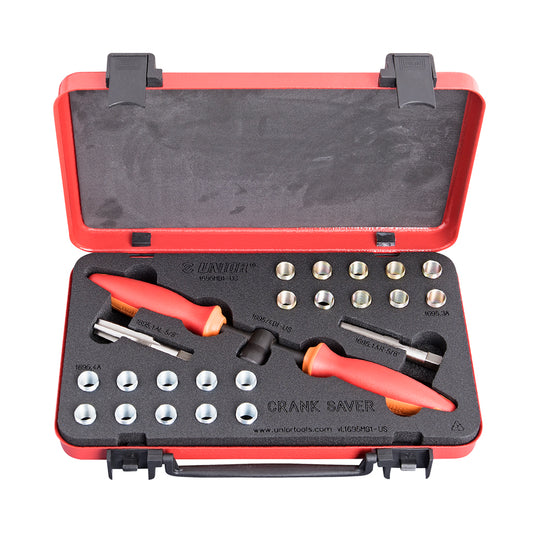
Crank Saver Kit
Regular price $249.99 USDRegular priceUnit price per -
Left Pedal Thread Inserts, 10-Pack
Regular price $59.99 USDRegular priceUnit price per -
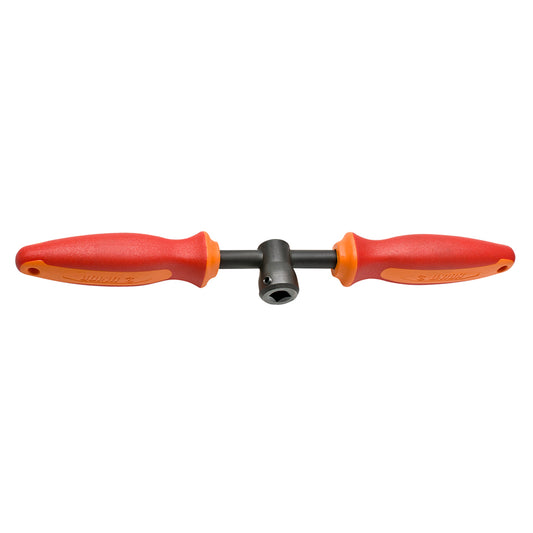
Handle for Pedal Taps
Regular price $29.99 USDRegular priceUnit price per -
3-in-1 Pedal Wrench
Regular price $21.99 USDRegular priceUnit price per -
Pro Pedal Wrench
Regular price $41.99 USDRegular priceUnit price per -
Speed Pedal Wrench 6mm
Regular price $45.99 USDRegular priceUnit price per -
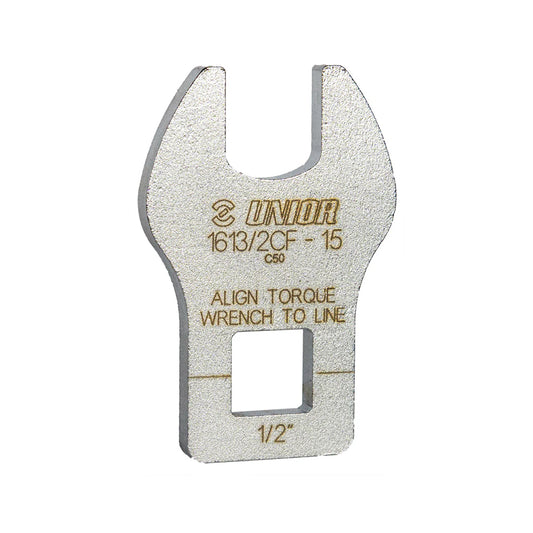
Crowfoot Pedal Wrench
Regular price $13.99 USDRegular priceUnit price per -
Pedal Wrench
Regular price $19.99 USDRegular priceUnit price per -
Pedal Tap Set
Regular price $69.99 USDRegular priceUnit price per -
Double-Sided Pedal Wrench
Regular price $15.99 USDRegular priceUnit price per -
Speed Pedal Wrench 8mm
Regular price $45.99 USDRegular priceUnit price per -
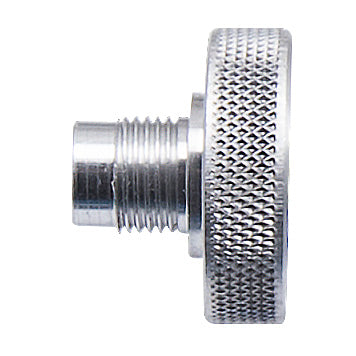
Aluminum Threaded Head for 2650BI Pedal Genie
Regular price $13.99 USDRegular priceUnit price per




Frequently asked questions
Which pedal wrench do I need for my bike?
It depends on how the pedal grips. Older and many current pedals take a 15 mm wrench on the flats at the crank arm, served by the Pro Pedal Wrench 1613/2BI. Most modern clipless pedals have dropped the flats and use a hex on the inboard end of the spindle instead. Shimano SPD-SL and SPD, standard Look Keo, and Wahoo Speedplay Zero use 8 mm hex; titanium-spindle models like the Look Keo Blade Carbon Ti and Speedplay Nano use 6 mm hex. The 3-in-1 Pedal Wrench 1620/2P-US covers all three in one tool.
Do I use a 15 mm wrench or an 8 mm hex for clipless pedals?
Check the pedal first. If it has wrench flats on the spindle next to the crank arm, use a 15 mm pedal wrench. If the flats are gone and there is a hex socket on the inboard end of the spindle, use a hex key. Shimano SPD-SL and SPD, standard Look Keo, and Wahoo Speedplay Zero use 8 mm hex; the Look Keo Blade Carbon Ti and Speedplay Nano use 6 mm. The Speed Pedal Wrench 8 mm and Speed Pedal Wrench 6 mm cover the hex side.
How tight should bike pedals be?
Shimano publishes 35 to 55 Nm for its pedals, and SRAM's road crank manual asks for 47 to 54 Nm at its crank arms. Our workshop sets pedals at 35 to 40 Nm, the low end of Shimano's band, and uses the pedal or crank maker's figure wherever one is given. Don't stop short of the maker's band, because a pedal that backs out can chew up the crank-arm threads. Grease the threads first. A long-handled Pro Pedal Wrench 1613/2BI gives the leverage to reach that torque cleanly.
Why does the left pedal turn the opposite way to loosen?
The left pedal is left-hand threaded. Both pedals use the same 9/16 inch by 20 TPI thread, but the left side is reversed so that pedaling load tightens it rather than backs it out. The practical takeaway: the left pedal loosens clockwise and the right pedal loosens counter-clockwise. A reliable shortcut our mechanics use is to turn the wrench toward the rear of the bike to loosen on either side. Getting this backwards is the most common way to feel a stuck pedal that is actually just being driven tighter.
Can I fix stripped or cross-threaded pedal threads in a crank arm?
Often, yes, if the damage is in the aluminum crank arm rather than the steel pedal axle. The Crank Saver Kit 1695MB1-US chases and recuts the 9/16 inch by 20 TPI pedal thread to clean up cross-threading or light stripping, and where the thread is too far gone it sets a steel insert. Note this is a thread-repair job, not the same as the Pedal Genie install aid, which spins the cranks during a build and does no cutting. In our experience, catching a cross-thread early, before it is forced under pedaling load, is the difference between a quick chase and a new crank arm.