

Suspension Tools
-
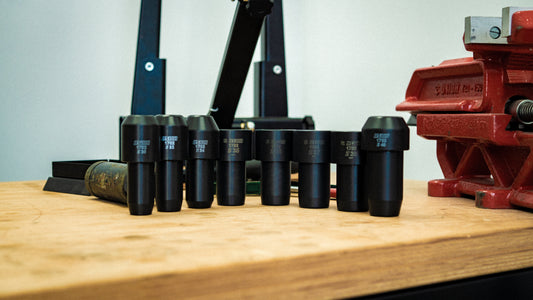
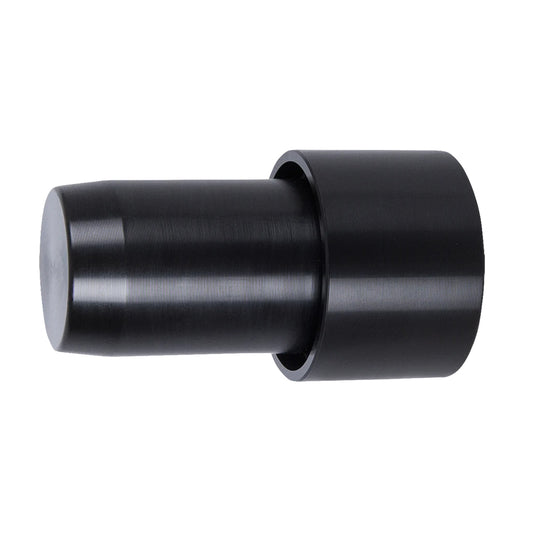
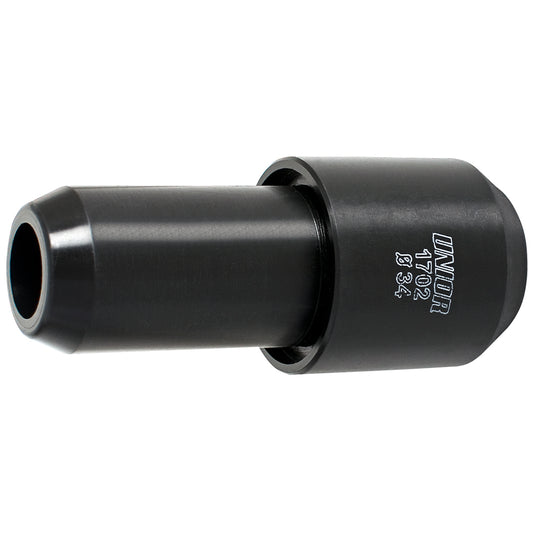
Suspension Fork Seal Driver
Regular price $19.99 USDRegular priceUnit price per -
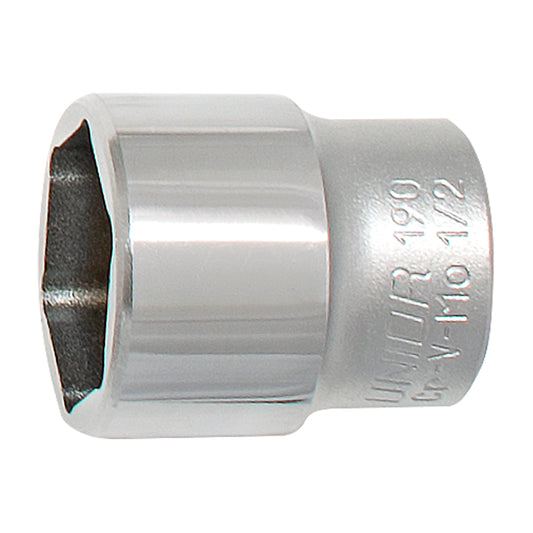
Flat Socket for Suspension Forks
Regular price From $7.99 USDRegular priceUnit price per -
Suspension Fork Seal Driver (Previous Generation)
Regular price From $7.20 USDRegular priceUnit price per$9.60 USDSale price From $7.20 USDSale -
Strap Wrench
Regular price $19.99 USDRegular priceUnit price per -
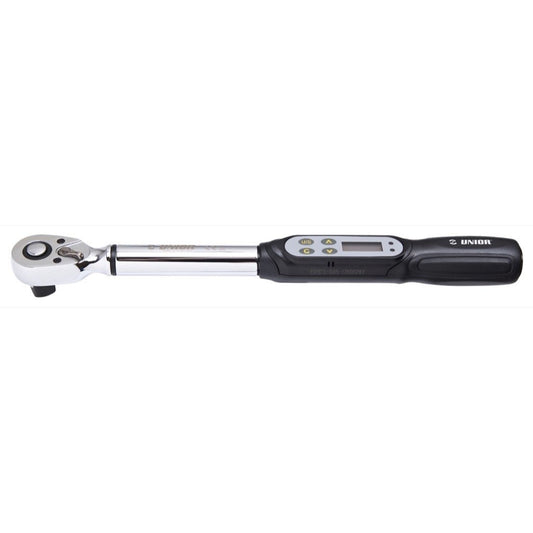
Electronic Torque Wrench 4.2 to 85Nm
Regular price $299.99 USDRegular priceUnit price per -
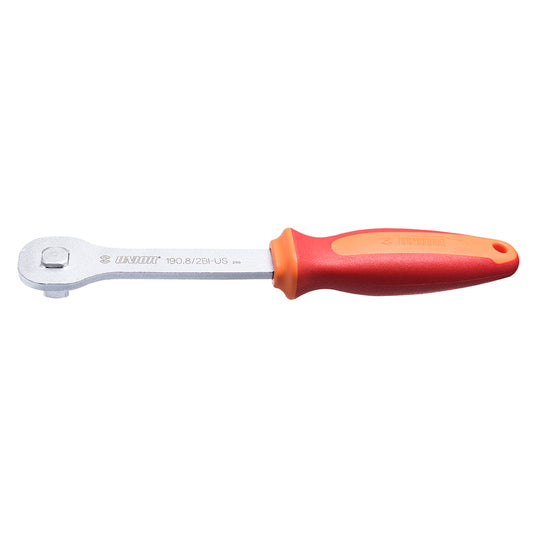
Pro Socket Handle
Regular price $17.99 USDRegular priceUnit price per -
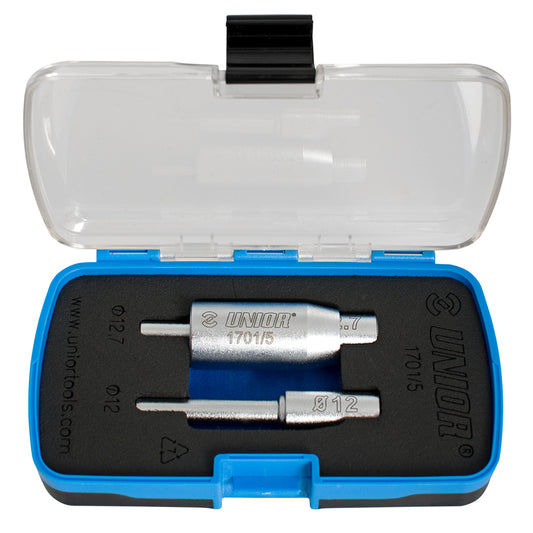
Rear Shock Bushing Extractor Set
Regular price $33.99 USDRegular priceUnit price per -
Electronic Torque Wrench 1 to 20Nm
Regular price $289.99 USDRegular priceUnit price per -
Fork Dust Seal Remover
Regular price $25.99 USDRegular priceUnit price per -
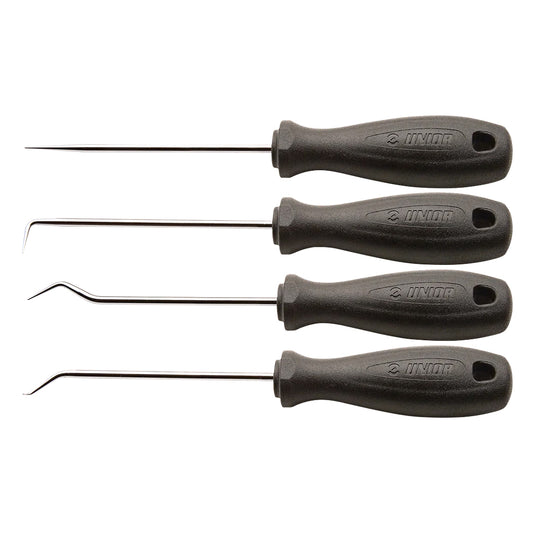
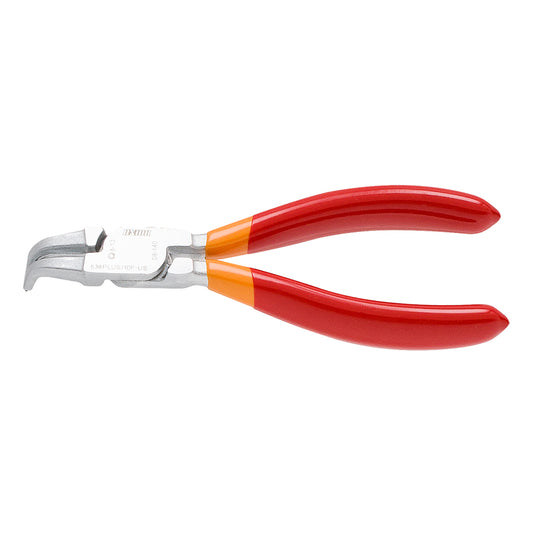
Internal Retaining Ring Circlip Pliers, Bent Jaw
Regular price $22.99 USDRegular priceUnit price per -
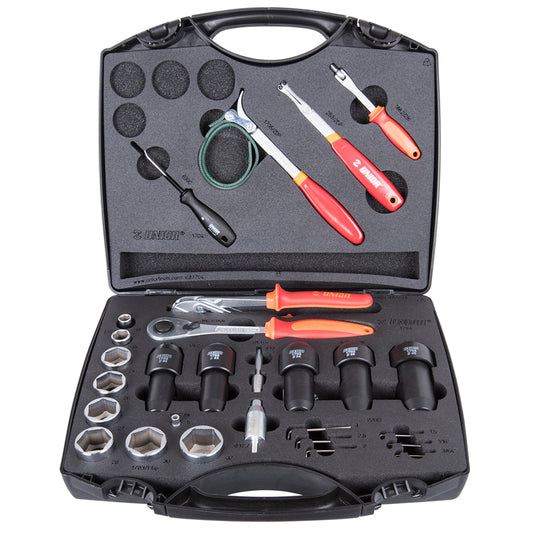
Suspension Service Set
Regular price $569.99 USDRegular priceUnit price per -
 Sold out
Fork Seal Driver Bundle
Regular price $85.99 USDRegular priceUnit price per -
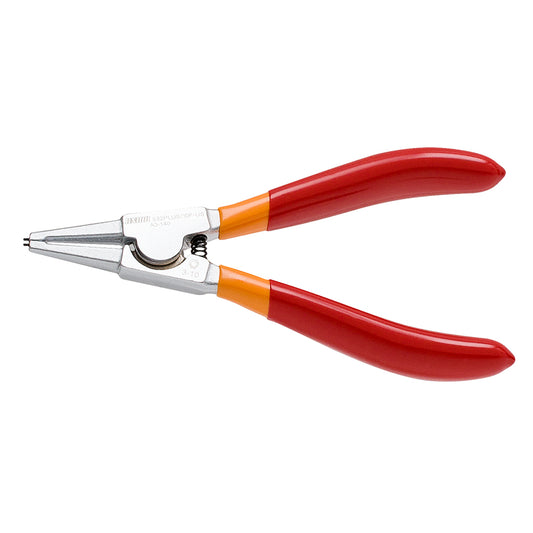
External Retaining Ring Circlip Pliers
Regular price $23.99 USDRegular priceUnit price per -
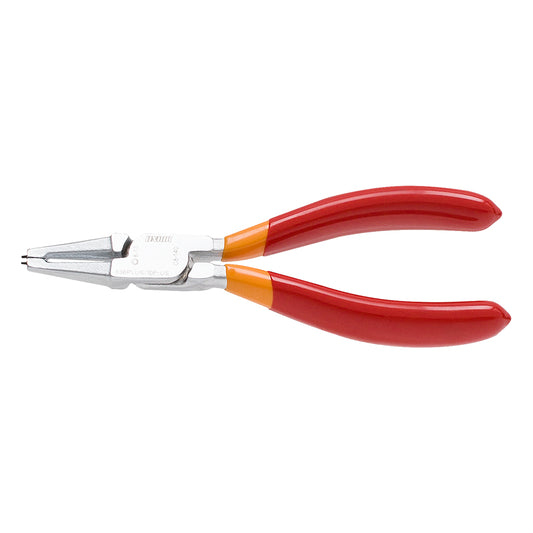
Internal Retaining Ring Circlip Pliers
Regular price $21.99 USDRegular priceUnit price per -
Suspension Top Cap Socket
Regular price $29.99 USDRegular priceUnit price per



Frequently asked questions
What tools do you need to service a suspension fork?
For a lowers service you need a seal driver to seat new dust and oil seals squarely, a flat socket sized to the fork's bottom-bolt foot nuts, a set of internal and external retaining-ring pliers for circlips inside the lowers, and a torque wrench for the foot bolts and crown hardware. The Unior Suspension Service Set 1704 and the newer Suspension Service Set 2.0 bundle these for a workshop bench. Always work to the fork maker's published torque and oil-volume spec for your model.
Which seal driver do I need for my fork's stanchion diameter?
Match the driver to the stanchion outside diameter, not the brand: common mountain forks run 32, 34, 35, 36, or 38 mm stanchions, and the driver face has to match that diameter to press the dust seal in flat. The Unior Suspension Fork Seal Driver 1702 and the Seal Installation Guide 1702 are built around these standard sizes. In our experience a seal pressed in with a mismatched driver goes in cocked and weeps oil within a few rides, so confirm the diameter before you start.
Do I need internal or external circlip pliers for suspension work?
You need both. Internal retaining-ring pliers spread to release a circlip seated in a bore, such as the clips holding seal assemblies and air-spring parts inside a fork or shock body. External pliers compress a circlip that wraps around a shaft. Suspension internals use both styles, which is why the Unior 539PLUS pliers set and the bent-jaw 538PLUS cover internal and external rings in one purchase. Bent-jaw tips reach clips set deep at an angle.
What is a strap wrench for in suspension service?
A strap wrench grips a fork's anodized upper tube or a shock body without the toothed jaws of a pipe wrench, so you can hold or loosen a part by friction and not leave a single scratch on the finish. Our mechanics reach for the Unior Strap Wrench 1705/2DP-US to back off topcaps and hold smooth-sided assemblies that have no flats. The soft strap is what keeps a cosmetic stanchion or shock can unmarked while you apply torque.
What torque should suspension fork and shock bolts be set to?
There is no single number. Suspension foot bolts, topcaps, crown bolts, and shock-eye hardware each carry a manufacturer-published torque that varies by fork and shock model, often in the low single-digit to mid Nm range for foot bolts and higher for crown and steerer clamps. Use a torque wrench that brackets the range and read the value off the fork maker's spec, not a generic chart. The Unior Electronic Torque Wrench 1 to 20 Nm suits the lighter suspension fasteners; the 4.2 to 85 Nm model covers the heavier clamp and crown bolts.
What is the Unior bushing extractor set used for?
The Rear Shock Bushing Extractor Set 1701/5 presses worn reducer bushings out of a rear shock's mounting eyelets and seats new ones, which is the fix for play or knocking at the shock mounts. It is a press-and-drift job rather than a hammer job, so the bushing goes in square and the eyelet bore stays true. Reducer hardware is sized per shock and frame, so confirm the bushing inside diameter and width against your shock before ordering replacements.