


Sinter organic replacement pads for Formula Cura 4 calipers. Despite the name, Sinter only make organic pads, not sintered-metal, so they run cooler at the caliper and give you more lever feel and quieter braking than sintered. Pick your compound color below to match how you ride.
In stock
Couldn't load pickup availability
Free US shipping on orders $75+
Some exceptions apply — see shipping policy
Founded in 1969, Sinter makes brake pads in Ljubljana, Slovenia.

On this page
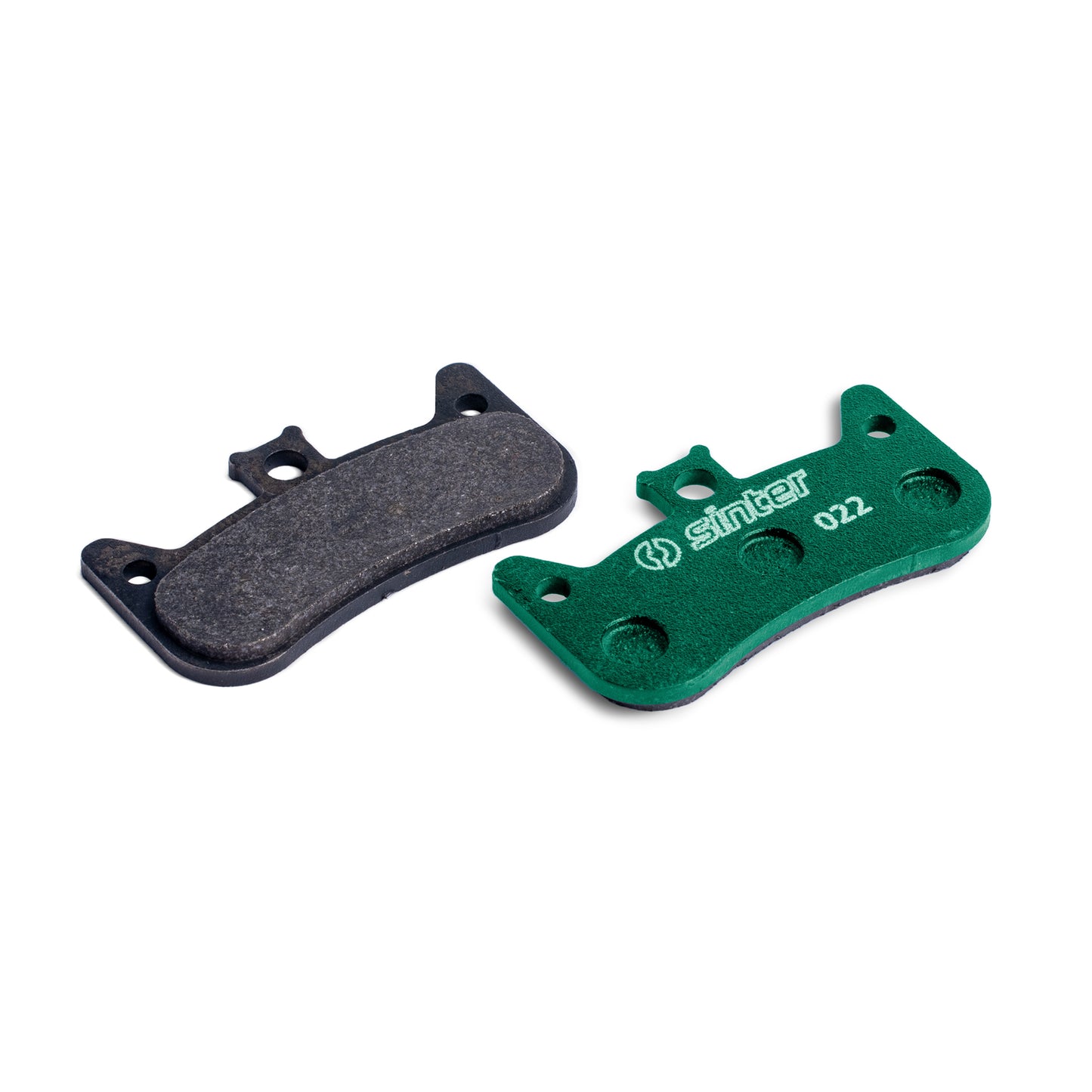
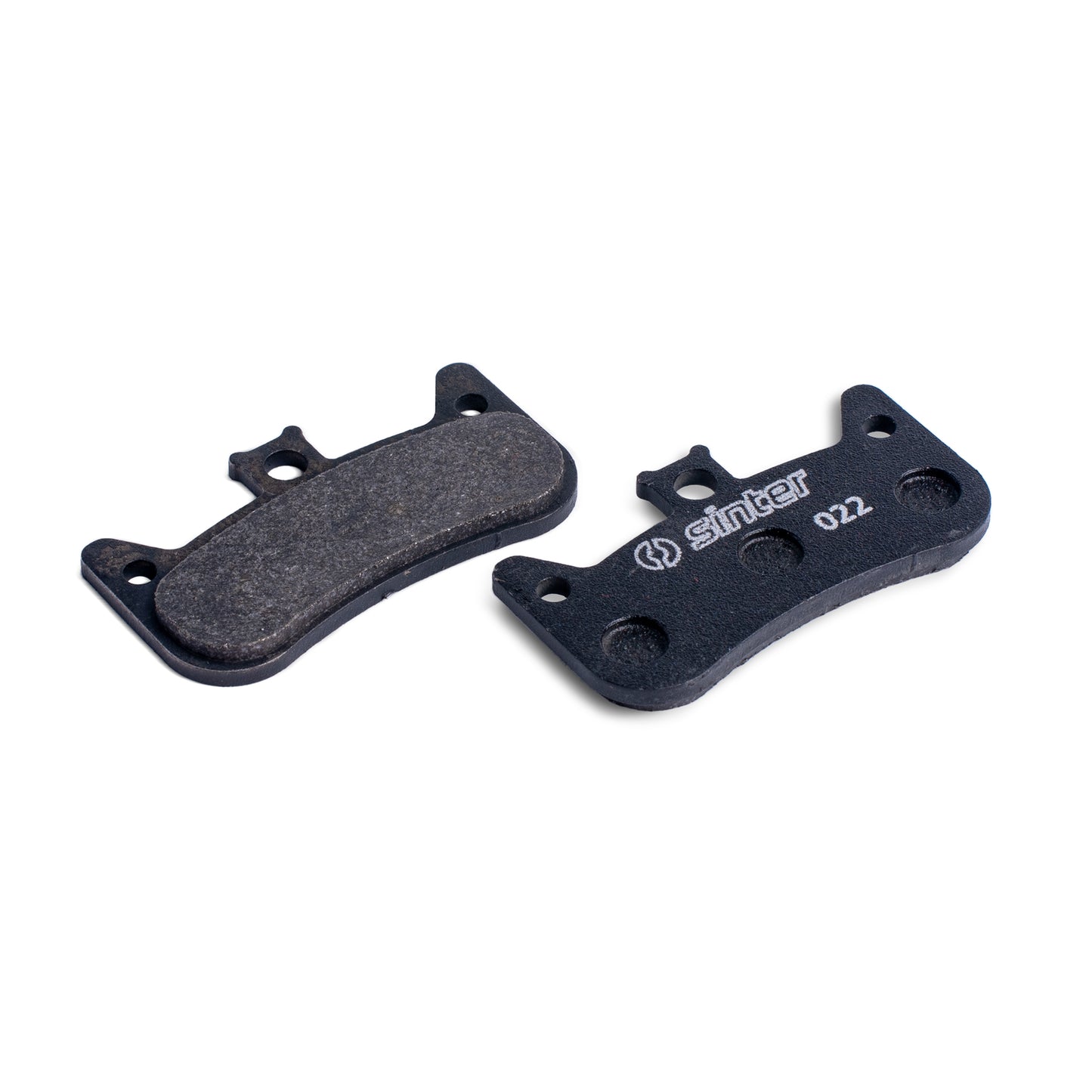
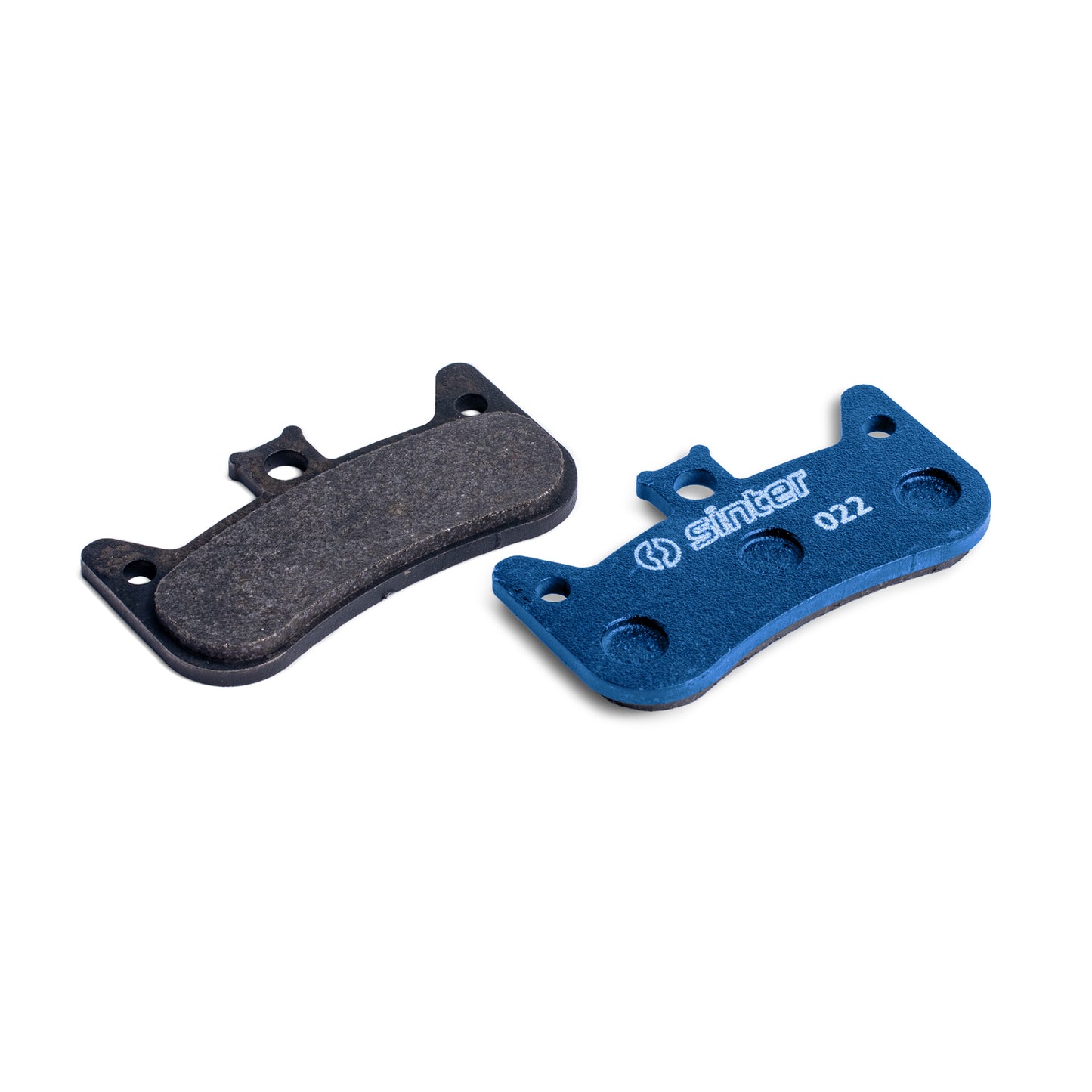
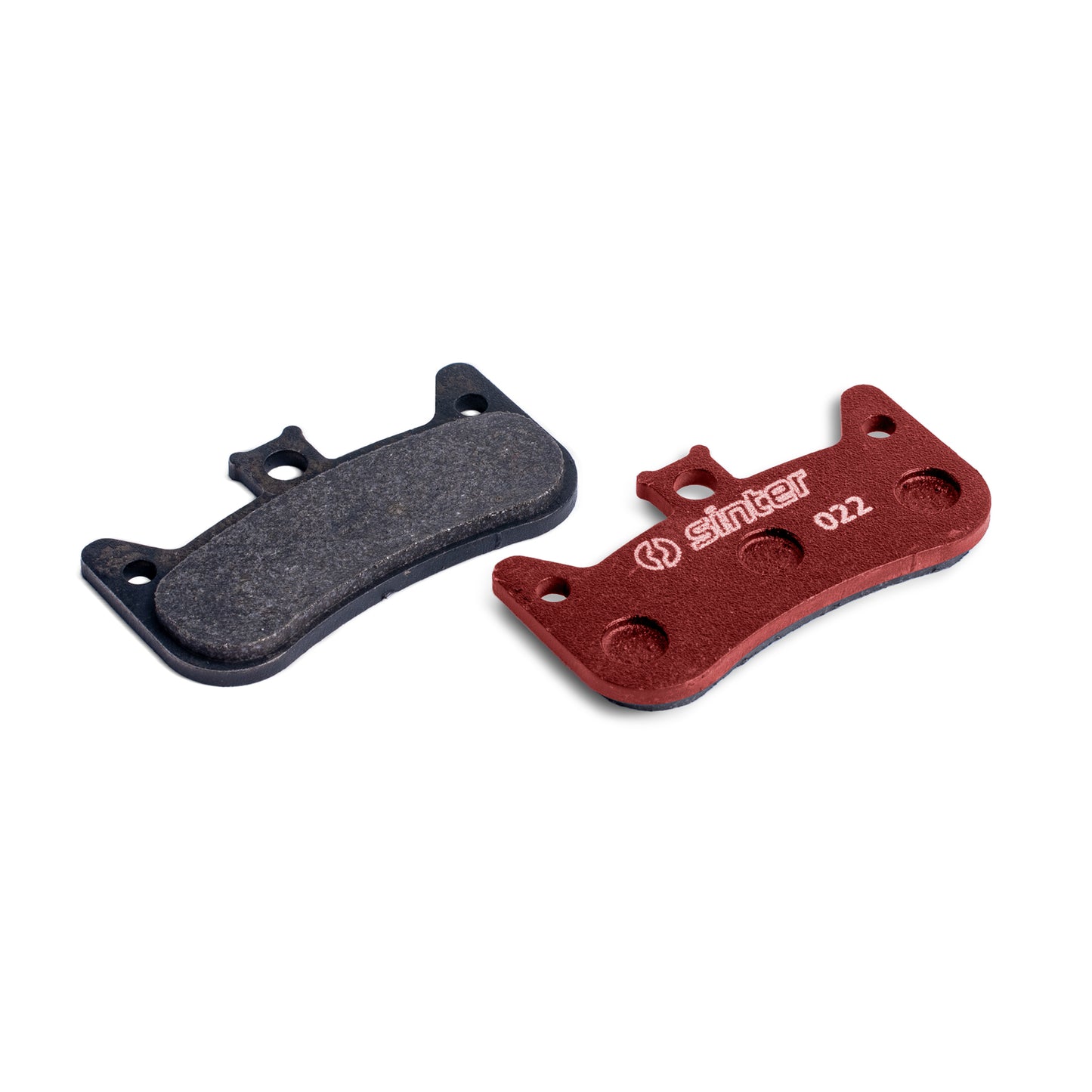
The Formula Cura 4 is the Italian brand's four-piston MTB caliper; Formula's competitive response to Magura MT5 / MT7 and SRAM Code in the enduro and gravity-light segment. The Sinter Model 022 is the organic-compound pad that fits the Cura 4 specifically. (The two-piston Cura, the Cura 4's lighter sibling, takes a different pad shape and is not covered by the Model 022.)
What's in the kit
One caliper's worth of pads (2 pads, left and right) for the Formula Cura 4 pocket. The kit ships with the spring, pin, and bedding-in instructions. Order two kits if you're replacing front and rear pads on the same service.
Fits
Formula Cura 4 pad shape:
- Formula Cura 4 (the four-piston Cura caliper)
The Cura 4 was introduced in 2018 and remains in current production. Formula's two-piston Cura uses a different pad pocket and is not covered by Model 022. If your bike runs the Cura (without the 4), check Formula's pad-shape index for the correct Sinter fitment.
Compound and feel
Formula's Cura 4 caliper engineering emphasizes lever-feel control over raw stopping torque; the Italian brand's design philosophy is closer to “Magura precision than SRAM brute force.” Sinter's organic ceramic-loaded compound matches that philosophy. The resin matrix bites cleanly off the lever, modulates predictably under sustained pressure, and runs quiet in dry conditions. The Cura 4 customer who chose the brake for its lever feel will hear that feel preserved through the Sinter pad swap; sintered metal pads on a Cura 4 caliper would compromise the very thing the Cura 4 was bought for.
Choosing your compound
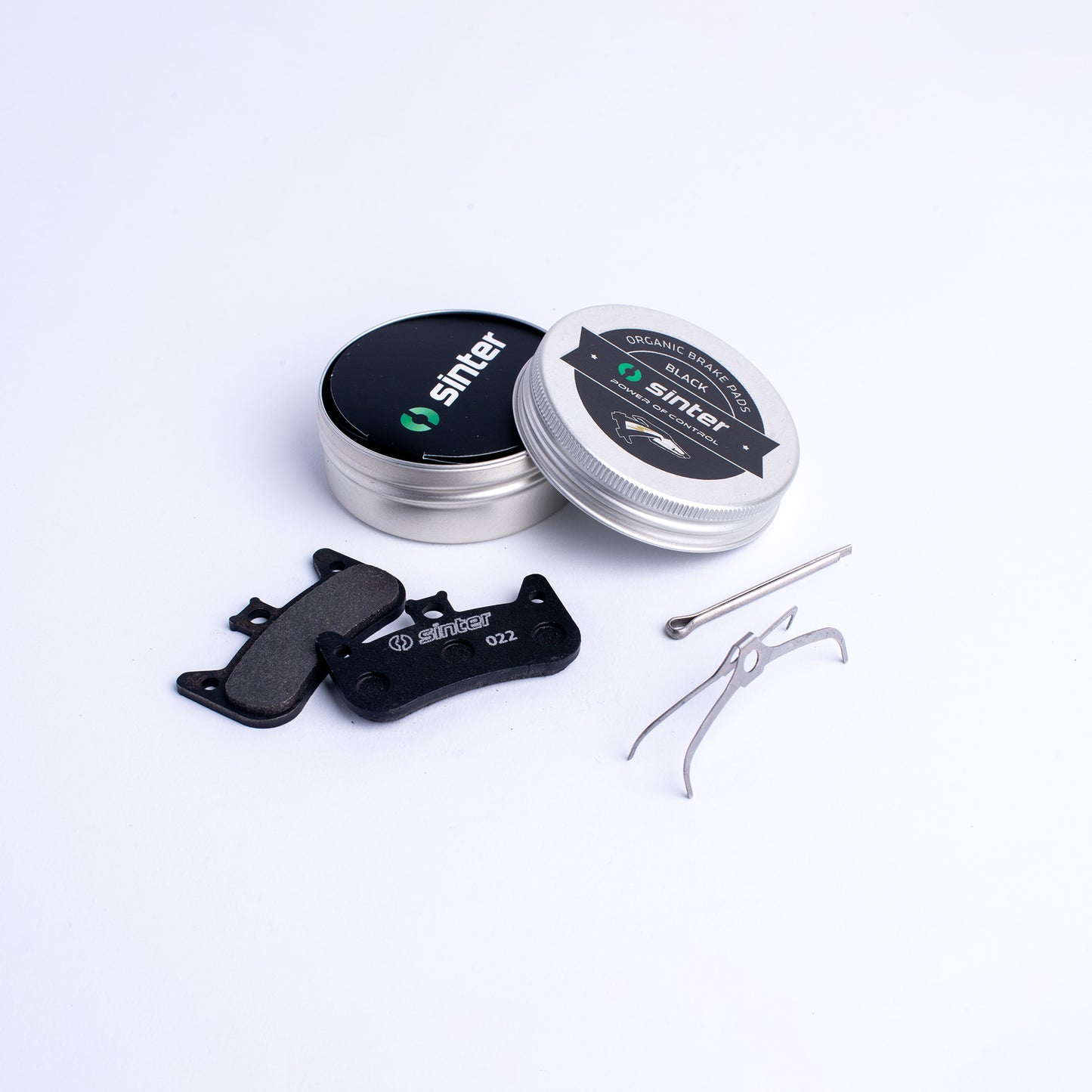
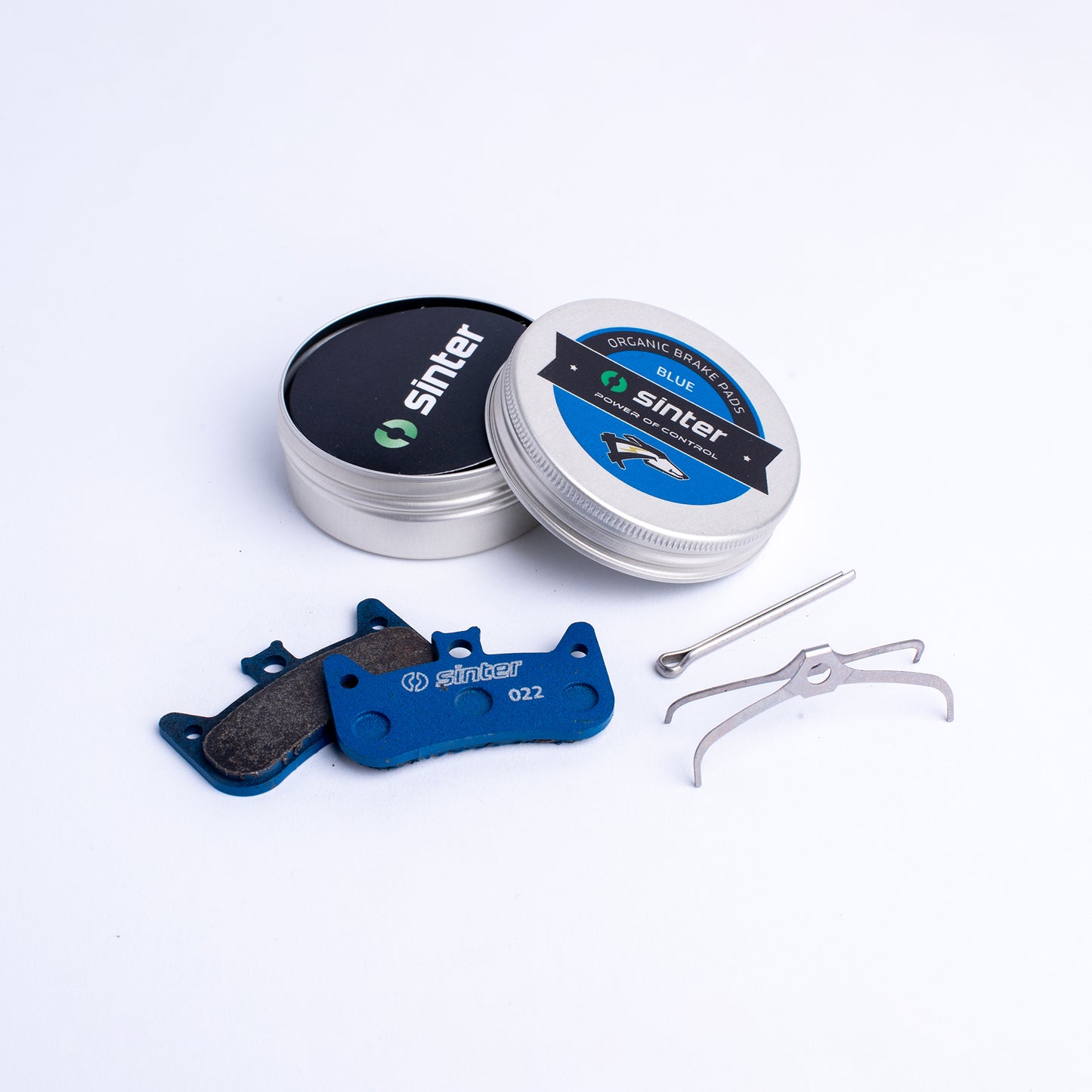
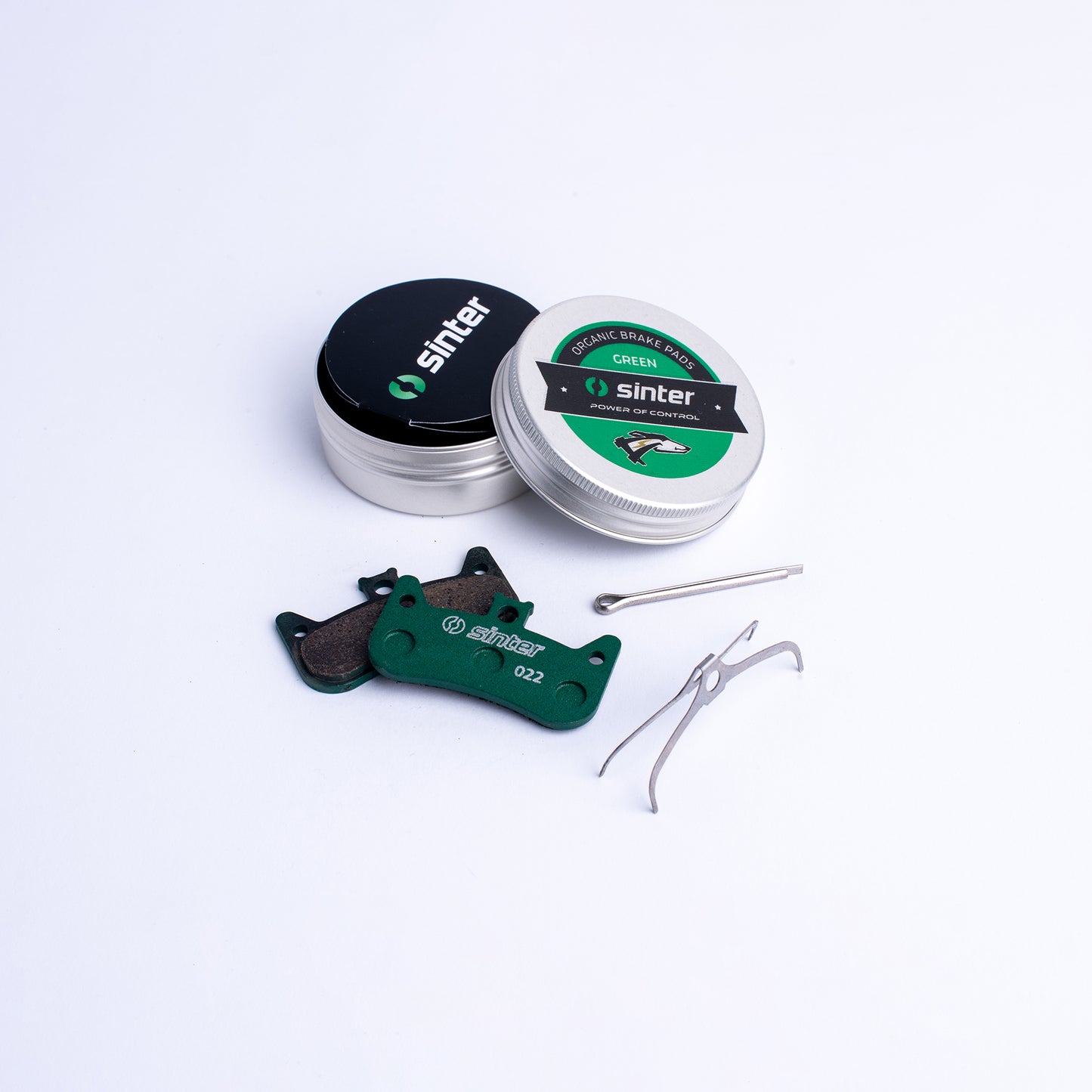
Despite the name, every Sinter compound is organic — not a sintered-metal pad. Organic pads run cooler at the caliper, give more lever feel and modulation, stay quiet, and are gentler on your rotors. The color of the backing plate tells you the compound.
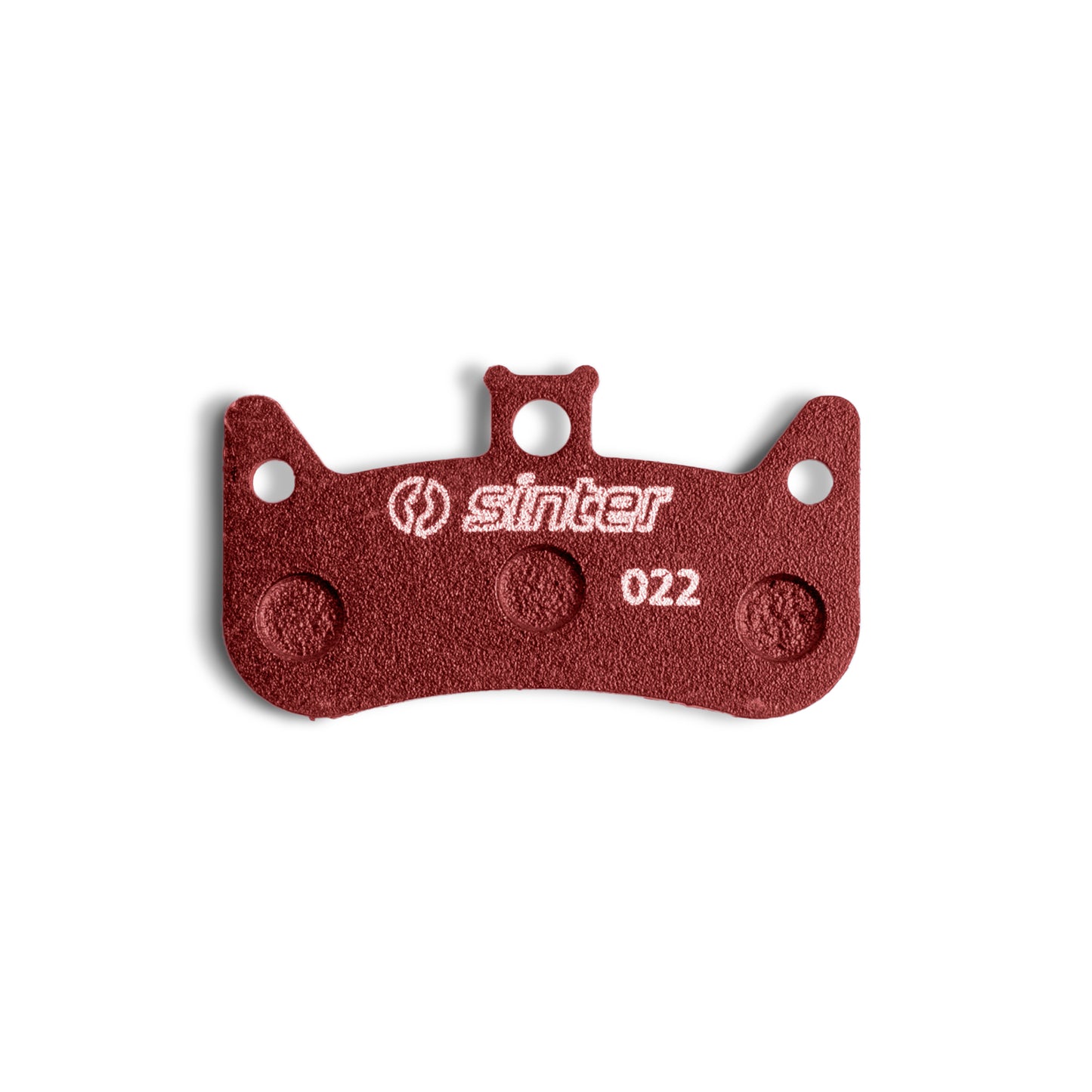
Red s514
The all-round upgrade from OEM. Consistent performance, smooth modulation and lever feel, excellent durability.
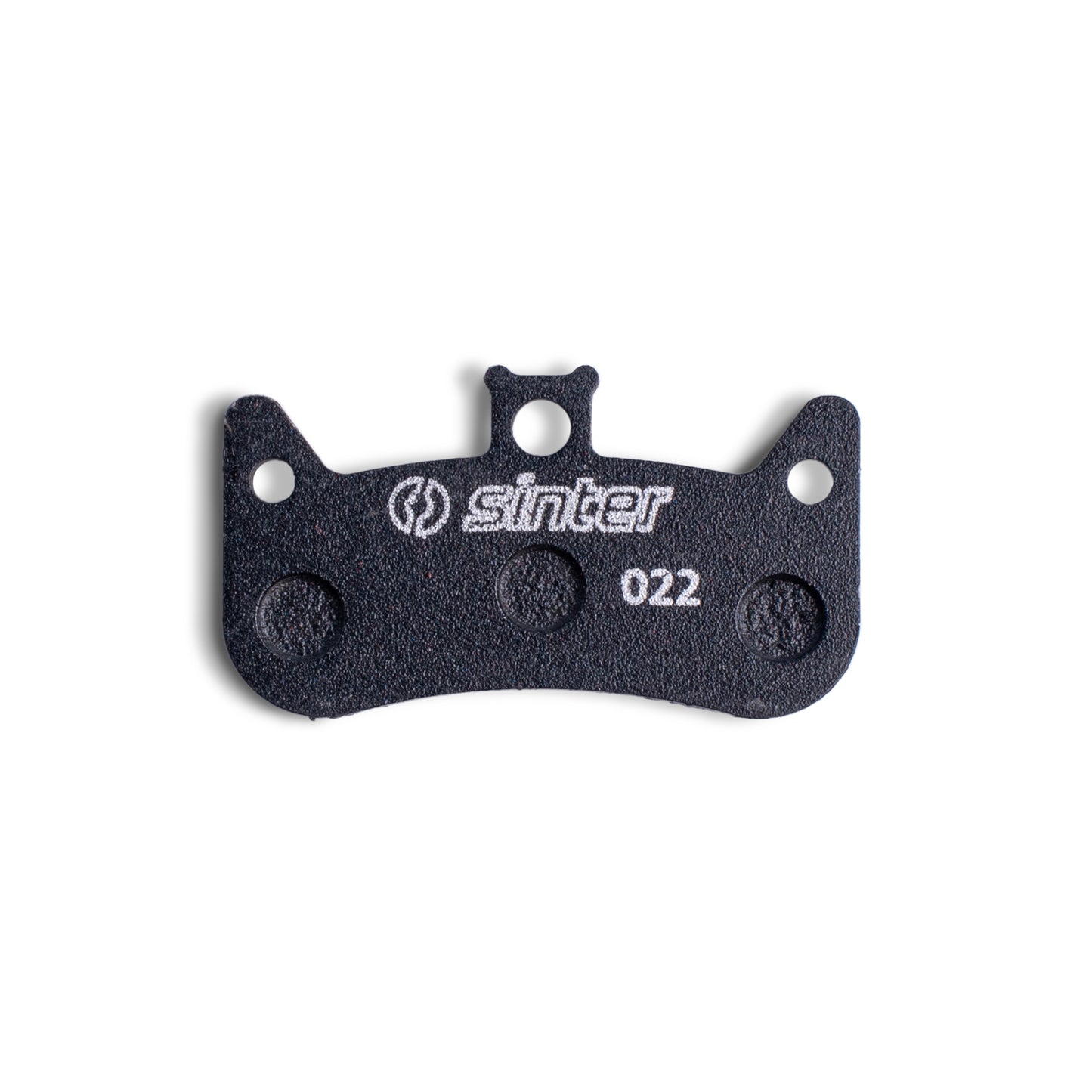
Black s550
Long-wearing organic compound. Predictable braking across temperatures in all conditions, including mud and wet.
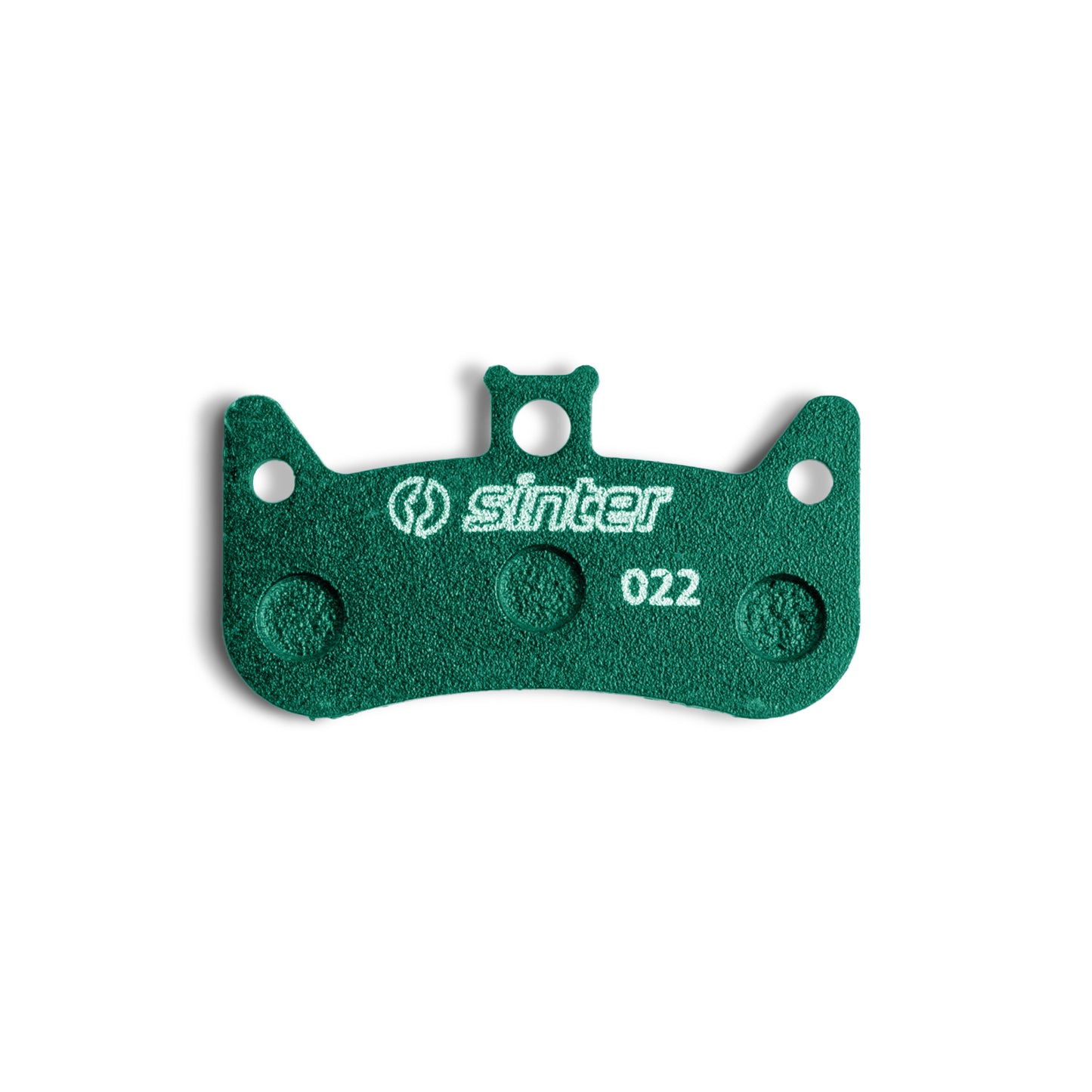
Green s2032
Sinter's race compound. A state-of-the-art material for braking aggressively while keeping ultimate power and control across temperatures.
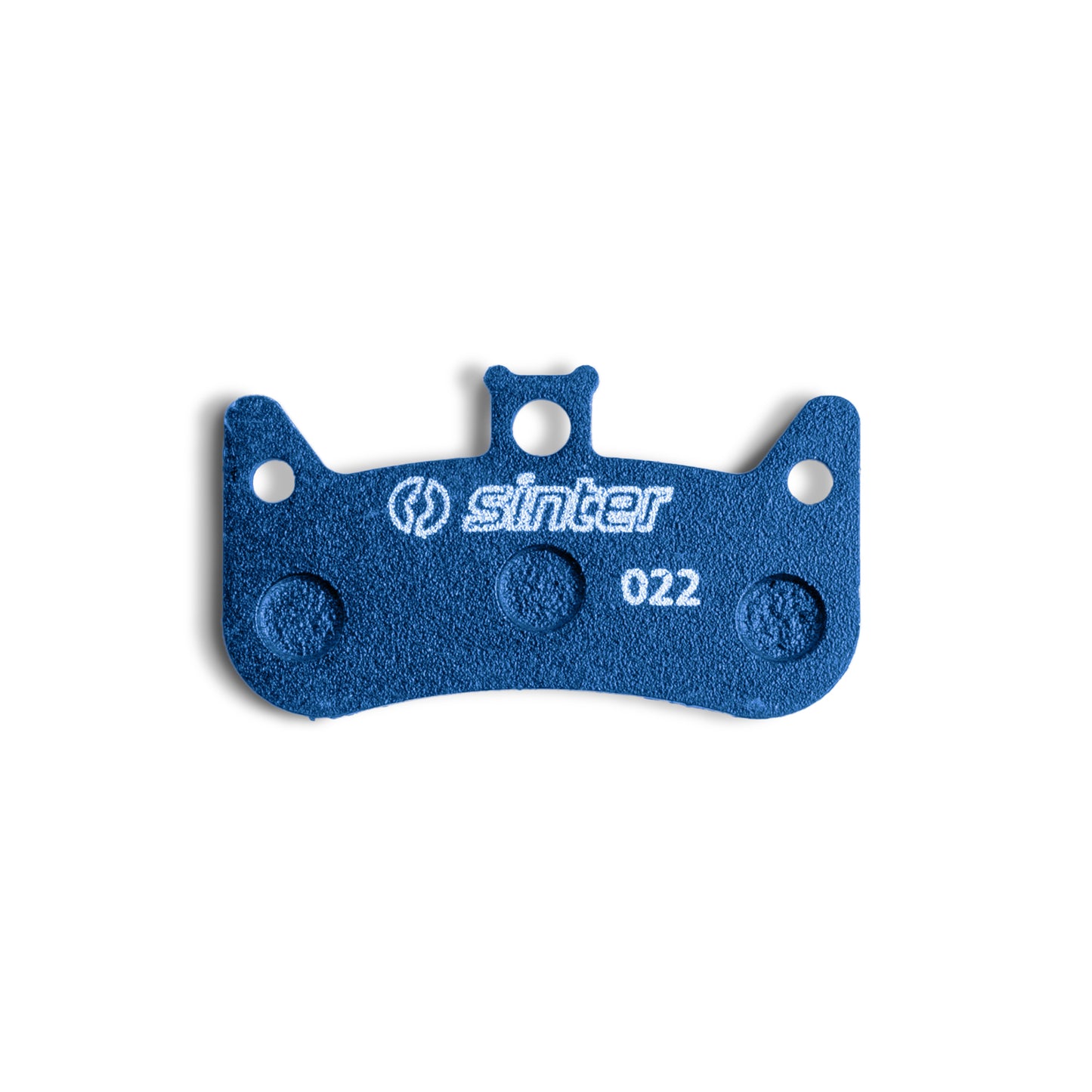
Blue s530
For e-bikes, DH and Enduro. Consistent power with high modulation, lever comfort and slow wear across all temperatures.
Our pick for this brake
Also in the Sinter range: the Cargo pad, built for cargo bikes and heavy daily city loads.
Specs
- Compound: organic (ceramic-loaded, resin-bound)
- Backing plate: steel
- Pad shape: Formula Cura 4
- Pads per package: 2 (one caliper)
- Includes spring and pin
Includes: 2 pads (left and right), spring, pin, bedding-in instructions.
Sinter's organic compound from Ljubljana
Sinter has been making friction materials in Ljubljana since 1969, and developed the first disc brake pads in the former Yugoslavia in 1972. The Slovenian plant supplies organic-compound pads at scale to European motorcycle OEMs and to the bicycle aftermarket. Unior has been forging hand tools in Zreče since 1919, and sponsors professional road and mountain-bike race teams. Euro Toolworks is the North American importer for both Slovenian brands. The Cura 4 is one of the Italian brake brand's lighter-volume calipers in the US market, and the Model 022 lands alongside the higher-volume SRAM and Shimano pad shapes because Formula's customer is a particular kind of rider; the one who chose the brake for lever feel and notices when the lever feel changes.
Pro tip from our mechanics
Formula Cura 4 calipers use a slightly tighter pad-to-piston clearance than the equivalent SRAM or Magura four-piston caliper, and a fresh pad install is sensitive to piston-spread depth. Before sliding the new Sinter pads in, work each of the four pistons individually back to the same retracted depth with a piston-spreader; uneven piston retraction on the Cura 4 produces audible scrape at low brake pressure that the Sinter pad cannot fix on its own.
Which compound suits your riding and which Sinter model fits your brake is covered in How to choose Sinter brake pads →.
FAQ
Which brakes does the Sinter Model 022 pad fit? The Model 022 pad fits the Formula Cura 4 four-piston caliper, which uses a different shape from the two-piston Cura, so make sure you have the four-piston version. The dependable way to confirm is to pull a worn pad and compare the backing-plate outline, the tab, and the pin hole against this one, or read the model number stamped on the old pad. Don't go by the family name alone here. If you are unsure which Cura you are running, send a photo of the worn pad and we'll check it.
Are these sintered metal or organic pads? They are organic. Despite the brand name, Sinter only make organic brake pads, not sintered-metal ones. Organic compounds run cooler at the caliper, give more lever feedback and modulation, stay quieter, and cause less rotor wear and vibration than sintered pads. For the full picture of how sintered pads are made and when each compound makes sense, read our guide to sintered vs organic brake pads.
Do I need to bed in new pads before riding hard? Yes. Fresh organic pads need a bedding-in process to transfer an even layer of pad material onto the rotor before they reach full power. Find a safe stretch of road, get up to a moderate speed, then brake firmly to near walking pace several times without coming to a full stop, letting the brakes cool between efforts. Expect bite to keep improving over the first few rides.
Why won't the new pads fit back into the caliper? As the old pads wore down, the Cura 4 pistons advanced to take up the gap, so there is no room for thicker new pads. Before fitting, push the pistons fully back into the caliper bores with a clean plastic tire lever or a dedicated piston-press tool. Take the old pads out first and press gently and evenly so you do not damage the pistons or seals.
 Tech Tips
Disc Brake Pad Bedding In Procedure
Tech Tips
Disc Brake Pad Bedding In Procedure
From the press
However, our tests with the Sinter reference pads show a clear difference, with over 10 % increase in braking torque, meaning that it might be worth upgrading the pads straight away.
the test-winning Sinter pads stopped around 17% faster than the Uberbike pads, a significant difference.
The Sinter pads – which are organic, by the way – improved deceleration on all models, but to very different degrees.
