


A cut tube leaves a sharp lip on both the inside and the outside of the wall. The 363A is Unior's internal-external reamer: place it over the end and twist until both edges are clean. Ribbed plastic housing; oil-hardened tool-steel blades; 3 to 42 mm tube diameter; 50 mm across, 35 g.
In stock
Couldn't load pickup availability
Free US shipping on orders $75+
Some exceptions apply — see shipping policy
Unior has made hand tools in Zreče, Slovenia since 1919 and sponsors professional road and mountain-bike race teams.


On this page
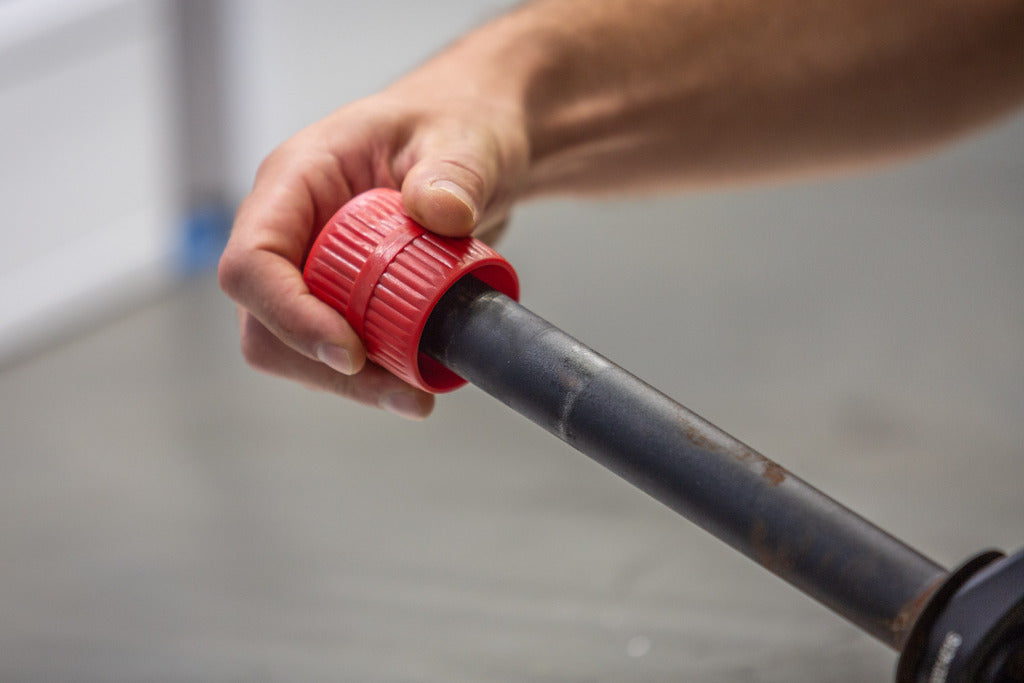
After cutting a tube, the cut edge has a burr; a sharp lip where the cutting wheel or hacksaw teeth pushed metal outward. The burr is a sharp lip on the interior and exterior edges. Unior's official use is simple: after cutting, place the reamer over the tube end and twist until the burrs are gone. The Tube Deburring Tool 363A removes both the inside and outside burr in one operation.
The 363A is a single cup-shaped reamer, 50 mm across and 49.5 mm high, 35 g. The ribbed plastic housing is the grip. Oil-hardened tool-steel blades sit inside the cup and clean both faces of the tube wall in that one twist. Official tube diameter is 3 to 42 mm.
How to use it
After cutting a tube (with the Tube Cutter 360/6A or a hacksaw):
- Place the reamer over the freshly cut tube end.
- Twist until the interior and exterior burrs are gone. The blades work both edges in that one motion.
The plastic housing with the ribbed surface gives finger grip during rotation. Unior lists the 363A under Plumbing tools and Other workshop tools. The matching Tube Cutter 360/6A is specified for copper, aluminium, inox, and steel tube; the 363A is the reamer that follows the cut.
Why a dedicated deburring tool vs. a file or sandpaper
A file can deburr the outside edge of a tube cleanly, but it can't reach the inside. A round file can reach inside if the tube is large enough, but the file leaves cross-hatched marks; the deburring tool leaves a smooth shaved edge. For tubing that needs to seat against a fitting at a precise dimension, the smooth shave is the better finish.
Official copy never names hydraulic brake hose, olives, or bicycle-specific fittings. The 363A is a general internal-external reamer for cut tubes in the 3 to 42 mm range. If a job is outside that diameter, this is the wrong tool.
Specs
- Removes burrs on interior and exterior tube edges; official method is place over the tube end and twist
- Cutting blades from special tool steel, oil hardened
- Plastic housing with ribbed surface for grip; 50 mm diameter, 49.5 mm height, 35 g
- Article 363A, code 626249; tube diameter 3–42 mm
Built in Zreče, Slovenia
Unior has been forging hand tools in Zreče since 1919, and sponsors professional road and mountain-bike race teams. The 363A sits in Unior's plumbing and workshop catalog, next to the 358/6A, 360/6A, 360/6B, and 361/6A tube cutters it was improved alongside.
Pro tip from our mechanics
Deburr at the cut, not later. A burred end that sits around the bench sheds chips into the tube and cuts fingers. Place the 363A over the end, twist, then tap the chips out. Our workshop setup guide covers cutting, deburring, and the rest of the workshop hand-tool layer: How to set up a professional bike workshop →
FAQ
How do you use the 363A? After cutting, place the reamer over the tube end and twist until the burrs are gone. One motion cleans both the interior and the exterior. The ribbed plastic housing is the grip; the blades inside are special tool steel, oil hardened.
What tube sizes does the 363A cover? Official maximum tube diameter is 3 to 42 mm. The housing is 50 mm across and 49.5 mm high, and it weighs 35 g. Dimensions are millimetres, weight is grams, and listed values may vary in tolerance.
Is the 363A for hydraulic brake hose? No official Unior source names hydraulic brake hose, olives, or bicycle fittings. The 363A is listed under Plumbing tools and Other workshop tools. Official coverage is cut tubes from 3 to 42 mm.
Are there spare blades, and what cutter pairs with it? Unior lists no spare parts for the 363A. The 2021 official upgrade note groups it with the improved tube cutters. We carry the Tube Cutter 360/6A, which Unior specifies for copper, aluminium, inox, and steel tube from 3 to 35 mm with a wall up to 2 mm.
 Tech Tips
How to set up a professional bike workshop
Tech Tips
How to set up a professional bike workshop
