
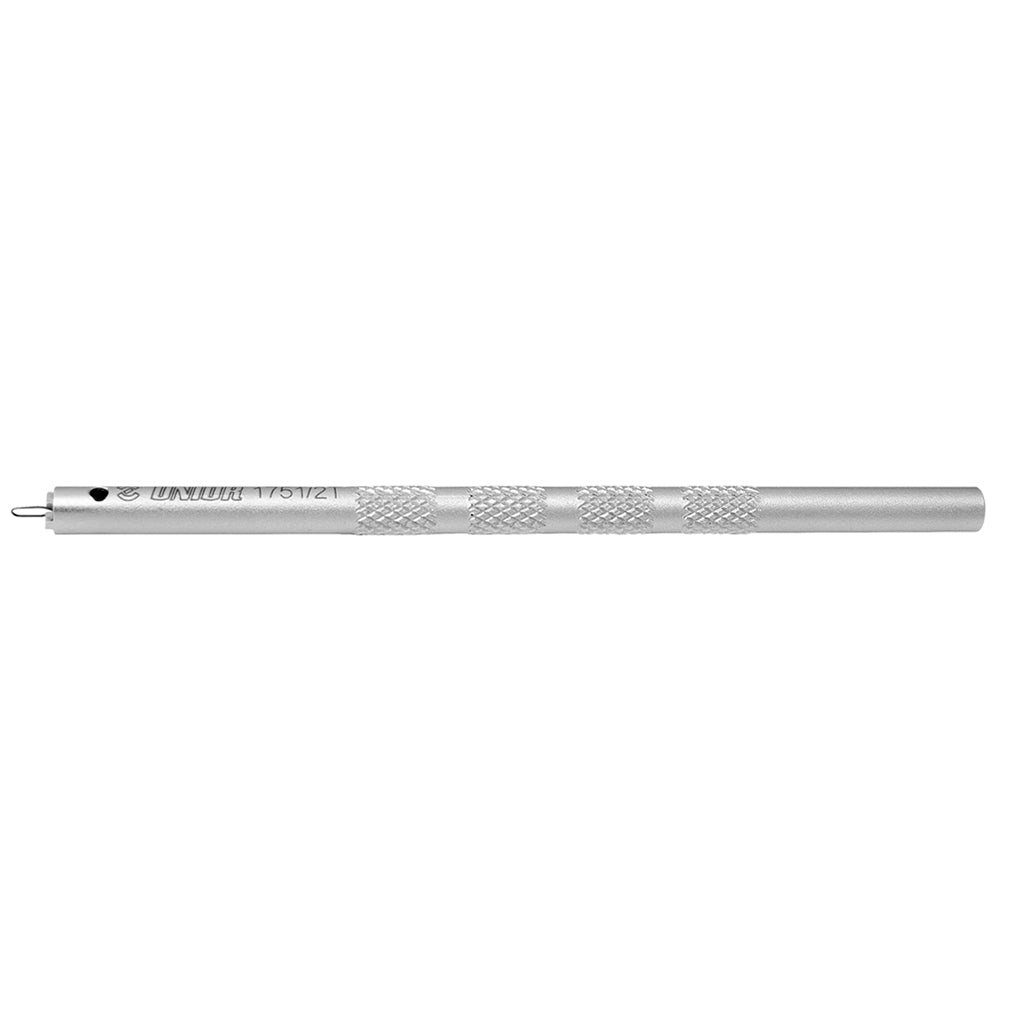


The spring-loaded third hand for wheel building: it grips a spoke nipple firmly enough to guide it down through a double-wall rim and into the spoke hole, then lets go the moment the spoke threads in. Chrome-plated, 130 mm long, 33 g, and the spring is replaceable when it eventually wears out.
In stock
Couldn't load pickup availability
Free US shipping on orders $75+
Some exceptions apply — see shipping policy
Unior has made hand tools in Zreče, Slovenia since 1919 and sponsors professional road and mountain-bike race teams.


Feeding nipples into a double-wall rim is the kind of small workshop problem that doesn't sound like a problem until you're trying to do it. The nipple has to drop through the outer rim hole, locate against the inner rim's spoke hole, and stay seated long enough for the spoke to thread in from the other side. The traditional improvised method; thread the nipple onto a spare spoke a turn or two, use the spoke as a handle to position the nipple, hope it doesn't unthread; fails often enough that “lost a nipple inside the rim” is a familiar curse in the workshop.
The 1751/2T is the dedicated tool. Spring-loaded, it grips the nipple firmly enough to position it precisely (down through the outer rim hole, into the inner rim's spoke hole) but releases easily when the spoke threads in from the inside. The build session stops being a battle with the nipple and becomes a sequence of clean motions.
For a 32-spoke wheel, the 1751/2T saves roughly the amount of time you'd spend digging a dropped nipple out of the rim's well multiplied by how often that happens (often enough). For deep-section rims (50 mm and deeper), where reaching the inner rim hole through the outer rim is genuinely difficult, the tool becomes essential rather than helpful.
Replacement springs are available in packs of five for the inevitable spring-fatigue moment.
Compatibility
- Nipples: standard internal spoke nipples (most sizes).
- Rims: any double-wall rim, including 50+ mm deep-section aero rims.
- Wheels: road, gravel, MTB; anywhere a double-wall rim needs nipples seated.
Specs
- Spring-loaded grip mechanism with interchangeable spring (spare part 1751.1/7T).
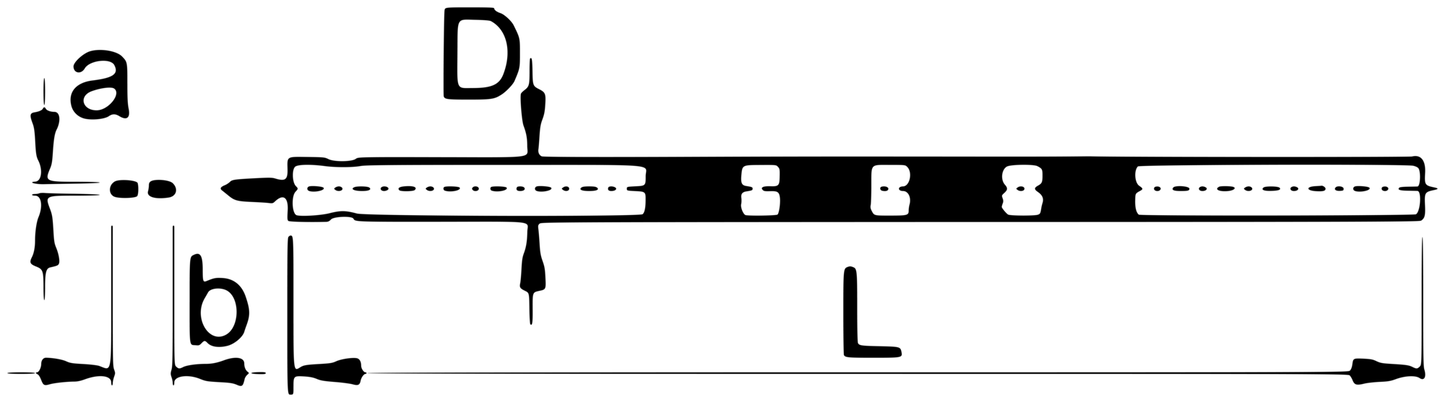
- Sized for standard double-wall rim profiles: 130 mm long, 6.5 mm shaft diameter, 33 g, trivalent chrome-plated steel.
- Replacement springs available as a 5-pack.
Built in Zreče, Slovenia
Unior has been forging hand tools in Zreče since 1919, and sponsors professional road and mountain-bike race teams. The 1751/2T is one of the workshop-quality-of-life tools; not the most spectacular piece in the wheelbuilding catalog, but the one you'll appreciate the most after a build session that doesn't involve cursing at a dropped nipple. Most professional wheelbuilders own one; once you've used one, the improvised methods feel like the relic they are.
Pro tip from our mechanics
If a nipple gets dropped into the rim's well anyway, don't immediately tear the wheel down. A small magnet on a flexible handle (the kind you can find at any auto-parts counter) will fish out most steel/zinc nipples through the spoke hole. Aluminum nipples need a slimmer fish; usually a piece of stiff wire bent into a hook. Keep both in the bench drawer; they pay for themselves the first time. The full wheel-building workflow is in How to true a bike wheel →
FAQ
What does a nipple insertion tool actually do? It holds a spoke nipple on a spring-loaded tip so you can feed it down through the outer hole of a double-wall rim and seat it in the inner spoke hole, right side up, without dropping it into the rim cavity. Once the spoke threads into the nipple from the other side, the tip lets go cleanly. It replaces the old improvisation of half-threading the nipple onto a spare spoke and hoping it stays put.
Do I need one for shallow rims, or is it only for deep-section wheels? The deeper the rim, the more it earns its keep. On a 50 mm-plus aero rim the inner spoke hole is a long reach from the outer wall and a dropped nipple is genuinely hard to fish back out, so builders treat the tool as essential there. On shallow double-wall rims it is a convenience: builds go faster and you stop losing nipples, but you could manage without it. Single-wall rims do not need it at all — the nipple seats directly.
Which nipples does the 1751/2T work with? Standard internal spoke nipples in the common sizes, in brass or aluminum — the spring grips the nipple body itself rather than any wrench flat, so it is not tied to one nipple wrench size. It pairs naturally with a nipple driver like the 1751/2 for spinning the nipple up the spoke thread once it is seated.
How big is the tool, and what happens when the spring wears out? It is a slim 130 mm shaft, 6.5 mm in diameter, weighing 33 g, in chrome-plated steel with a knurled grip — it lives in a shirt pocket or the top tray of a toolbox. The spring at the tip is interchangeable: Unior sells the replacement as the 1751.1/7T, available in a five-piece set, so a tired spring costs you a minute, not a new tool.
 Tech Tips
How to true a bike wheel
Tech Tips
How to true a bike wheel
