

In stock
Couldn't load pickup availability
Free US shipping on orders $75+
Some exceptions apply — see shipping policy
Unior has made hand tools in Zreče, Slovenia since 1919 and sponsors professional road and mountain-bike race teams.
View full details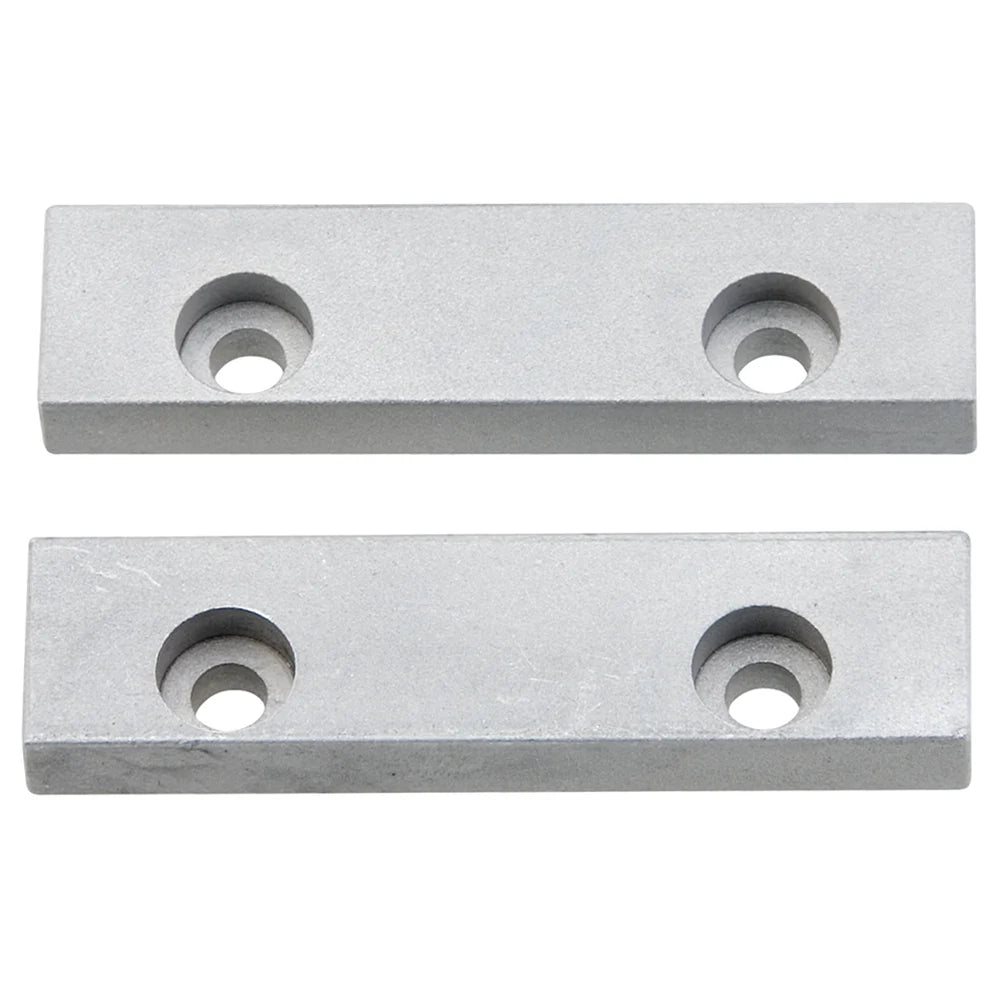
On this page
A bench vise's hardened steel jaws grip steel cleanly. They also mark aluminum, titanium, and any polished or finished surface, because the steel's tooth profile bites into softer metal on the first squeeze. The 722.1AL Aluminum Jaws give the vise a soft-jaw option, so finish-sensitive work can be clamped properly rather than clamped gently and hoped for.
What you get
- A pair of aluminum jaw inserts sized for our IRONGATOR Bench Vise 125 mm.
- The inserts fit over the existing steel jaws and locate on the vise's mounting holes; swapping them in takes seconds and needs no modification to the vise.
The aluminum is softer than the vise's steel jaws but harder than the parts it is asked to hold, so it grips without marking.
When the aluminum jaws are the right call
- Clamping a polished aluminum seatpost while working elsewhere on the bike.
- Holding a titanium or alloy bolt for removal when the tool doing the work would otherwise mark the head.
- Gripping a finished stem, crank arm or brake caliper during a rebuild.
- Any anodised or painted component where a witness mark is a warranty conversation.
For steel parts, rusted hardware and anything you are deliberately applying force to, put the steel jaws back. Soft jaws are a finish-protection tool, not a general upgrade.
Which size do I need?
This is the 125 mm version. If your vise is the 150 mm, you want the Aluminum Jaws for 150 mm Vise instead. Measure the jaw width on your vise before ordering; the two are not interchangeable.
Built in Zreče, Slovenia
Unior has been forging hand tools in Zreče since 1919, and sponsors professional road and mountain-bike race teams. The vise line is made to the same standard as the hand tools, which is why the soft jaws are a supported accessory with a part number rather than something a shop has to fabricate from angle stock and tape.
Pro tip from our mechanics
If you find yourself wrapping a rag around a part before clamping it, that is the signal you needed these a while ago. The rag moves under load, which is how a part ends up both marked and dropped. Our workshop guide covers bench setup and the accessories worth buying up front: How to set up a professional bike workshop →
