Why service suspension?
The basics on why you should service your suspension components.
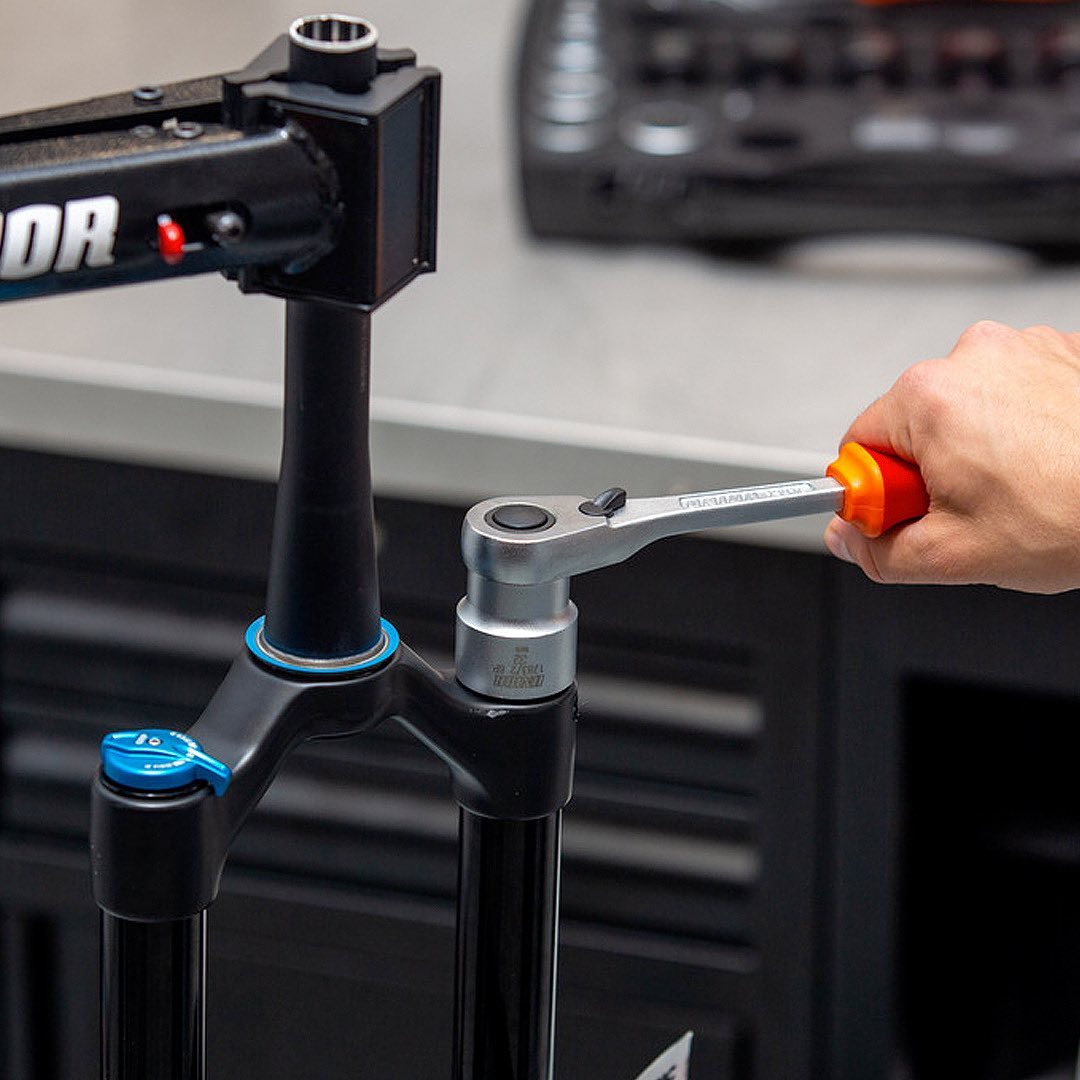
You'd be surprised how often fork and shock manufacturers recommend you service your suspension components. But, they are right. Here's some basic information as to why.
Obviously proper servicing of bicycle suspension plays a vital role in ensuring optimal performance, safety, and overall riding experience. The suspension system, whether it's a front fork or a rear shock, serves as a critical component that absorbs impact, maintains traction, and enhances comfort while riding on various terrains.
Regular servicing of bicycle suspension is essential to maintain its functionality and extend its lifespan. Over time, dirt, dust, and debris can accumulate within the suspension components, affecting their smooth operation. Routine maintenance, such as cleaning, lubricating, and inspecting the suspension system, helps prevent the buildup of contaminants and ensures that the suspension operates smoothly and efficiently.
By servicing the suspension, you can also identify and address potential issues early on. Damaged or worn-out seals, bushings, or other internal components can affect the performance and safety of the suspension. Regular servicing allows for the detection of such problems, enabling timely repairs or replacements, thus minimizing the risk of more significant damage or failure while riding.
Optimizing the suspension setup based on individual riding preferences and conditions is another critical aspect of servicing. Adjusting the suspension's air pressure, rebound, compression, and other settings can greatly enhance the bike's handling, responsiveness, and overall comfort. Regular servicing provides an opportunity to fine-tune these settings, ensuring that the suspension is tailored to the rider's specific needs, terrain, and riding style.
Properly serviced suspension enhances the bike's traction, stability, and control. It allows the wheels to maintain better contact with the ground, resulting in improved grip, especially on uneven or challenging surfaces. This, in turn, enhances the rider's confidence and overall enjoyment while riding, whether it's conquering technical trails, tackling descents, or simply cruising on rough roads.
In summary, servicing bicycle suspension is of utmost importance to maintain performance, safety, and riding pleasure. Regular maintenance and adjustments help keep the suspension functioning optimally, detect potential issues early on, and fine-tune its settings to match individual preferences and riding conditions. By investing in proper servicing, riders can ensure that their bike's suspension continues to provide the comfort, control, and performance they desire throughout their cycling adventures.
You can find all our relevant products here: Suspension Tools
Obviously proper servicing of bicycle suspension plays a vital role in ensuring optimal performance, safety, and overall riding experience. The suspension system, whether it's a front fork or a rear shock, serves as a critical component that absorbs impact, maintains traction, and enhances comfort while riding on various terrains.
Regular servicing of bicycle suspension is essential to maintain its functionality and extend its lifespan. Over time, dirt, dust, and debris can accumulate within the suspension components, affecting their smooth operation. Routine maintenance, such as cleaning, lubricating, and inspecting the suspension system, helps prevent the buildup of contaminants and ensures that the suspension operates smoothly and efficiently.
By servicing the suspension, you can also identify and address potential issues early on. Damaged or worn-out seals, bushings, or other internal components can affect the performance and safety of the suspension. Regular servicing allows for the detection of such problems, enabling timely repairs or replacements, thus minimizing the risk of more significant damage or failure while riding.
Optimizing the suspension setup based on individual riding preferences and conditions is another critical aspect of servicing. Adjusting the suspension's air pressure, rebound, compression, and other settings can greatly enhance the bike's handling, responsiveness, and overall comfort. Regular servicing provides an opportunity to fine-tune these settings, ensuring that the suspension is tailored to the rider's specific needs, terrain, and riding style.
Properly serviced suspension enhances the bike's traction, stability, and control. It allows the wheels to maintain better contact with the ground, resulting in improved grip, especially on uneven or challenging surfaces. This, in turn, enhances the rider's confidence and overall enjoyment while riding, whether it's conquering technical trails, tackling descents, or simply cruising on rough roads.
In summary, servicing bicycle suspension is of utmost importance to maintain performance, safety, and riding pleasure. Regular maintenance and adjustments help keep the suspension functioning optimally, detect potential issues early on, and fine-tune its settings to match individual preferences and riding conditions. By investing in proper servicing, riders can ensure that their bike's suspension continues to provide the comfort, control, and performance they desire throughout their cycling adventures.
You can find all our relevant products here: Suspension Tools